
A Year Lived Between the Pages
What I Read in 2025

Introduction:
Throughout the last week or so, I have seen a number “2025 Reading Lists” come across my Substack. Each time they have whether I have skimmed them or read them in depth I have thoroughly enjoyed getting a peak into what my favorite writers are reading and I have added more than a couple new books to my reading list for the future as a result thanks to Jordan Vale, Glenn Packiam, and Ross Byrd.
My initial thought in reading all of these lists was to really enjoy the idea of this practice and to plan on participating in it in the New Year. For a long time I have attempted to keep a folder in my notes app on my phone with a note for each book I read and different quotes or themes that stick out to me. I definitely forget more than I remember but I have a deep desire to reflect on the things I read and to preserve especially poignant things for later perusal.
The more days that went by though and the more lists I encountered, I decided it would be fun to at least attempt to compile all of the books that I read this year. As I did that, I was surprised at the volume of reading I have done and the spread of things that I have read and so I decided to share it this year rather than waiting until next year. I am excited to grow this discipline over the next year.
Below is a list of the books I know that I read this year, and if I missed any I sincerely apologize to that book. It’s not you, its me. I have organized these by the categories that made the most sense to me. Enjoy!
Leisure Reading:
Audiobooks:
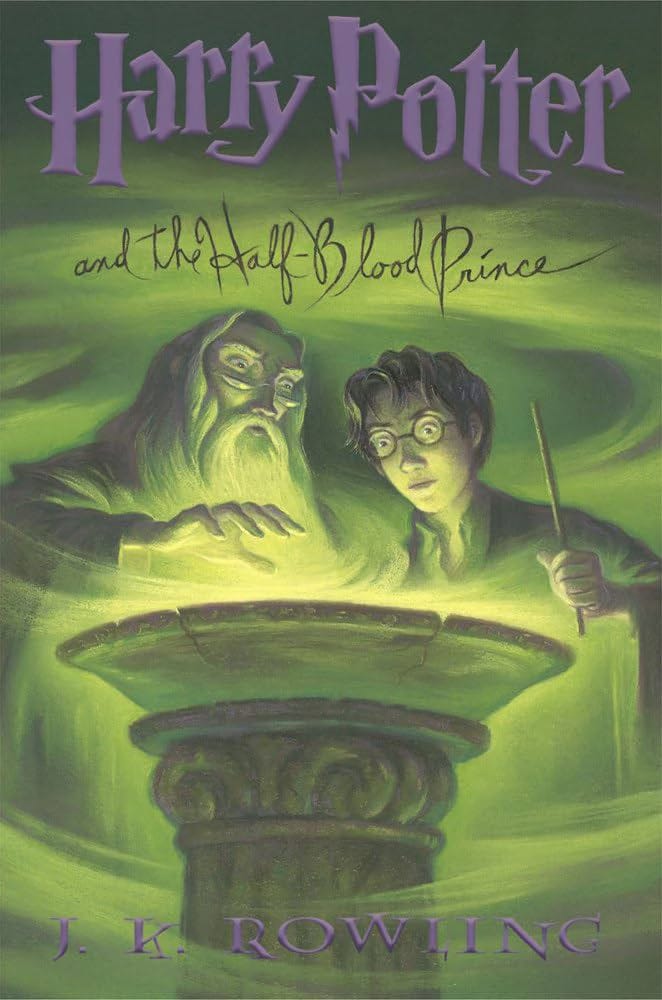
Harry Potter and the Half Blood Prince by J. K. Rowling
I started the year completing my fourth read through of the Harry Potter series. In 2024, I began a new habit of listening to fiction to help me fall asleep. For a while I had been watching an episode of a TV Show before bed and I wanted to return to the habit of reading before bed but in a way that relaxed me and helped me fall asleep. This has become one of my favorite daily habits. The Half Blood Prince is certainly one of my favorites in the series.
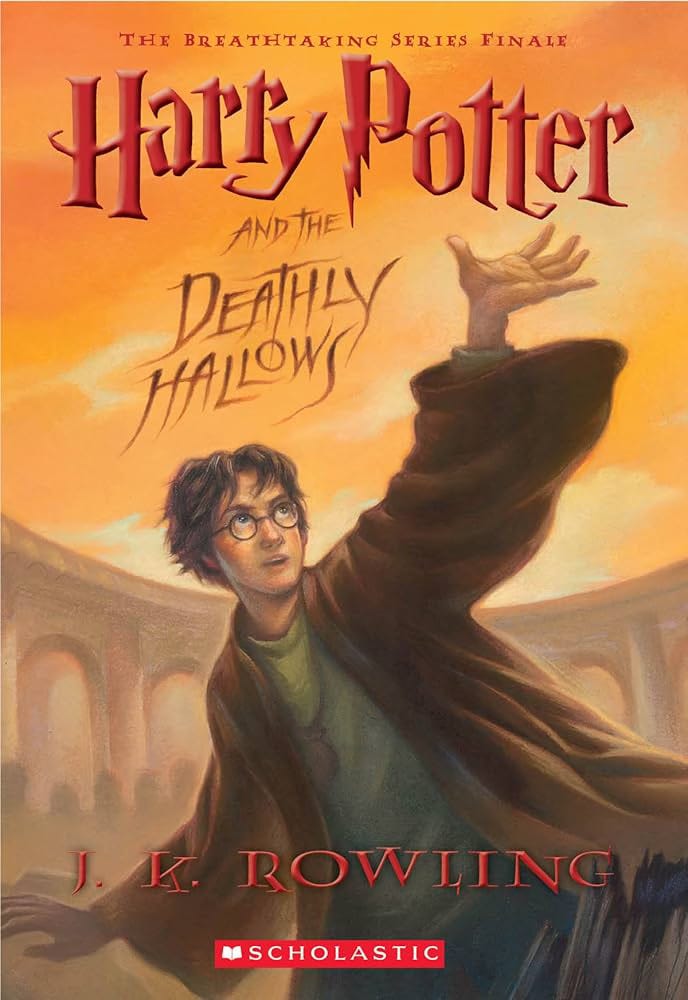
Harry Potter and the Deathly Hallows by J. K. Rowling
I finished the series reading the climactic ending to the series. The more times I read the series, the more convinced I am of the pervasively Christian nature of the story. It certainly does not help reading Kyle Strobel’s “The Art of Mastering Death: Harry Potter, Christianity and the Quest for Immortality” and Tim Pickavance’s “Magic Doesn’t Matter: Why I Love the World of Harry Potter”. Dr. Strobel has convinced me that if Christians were more Biblically literate they would more readily embrace the Harry Potter series for the beautiful thing that it is.
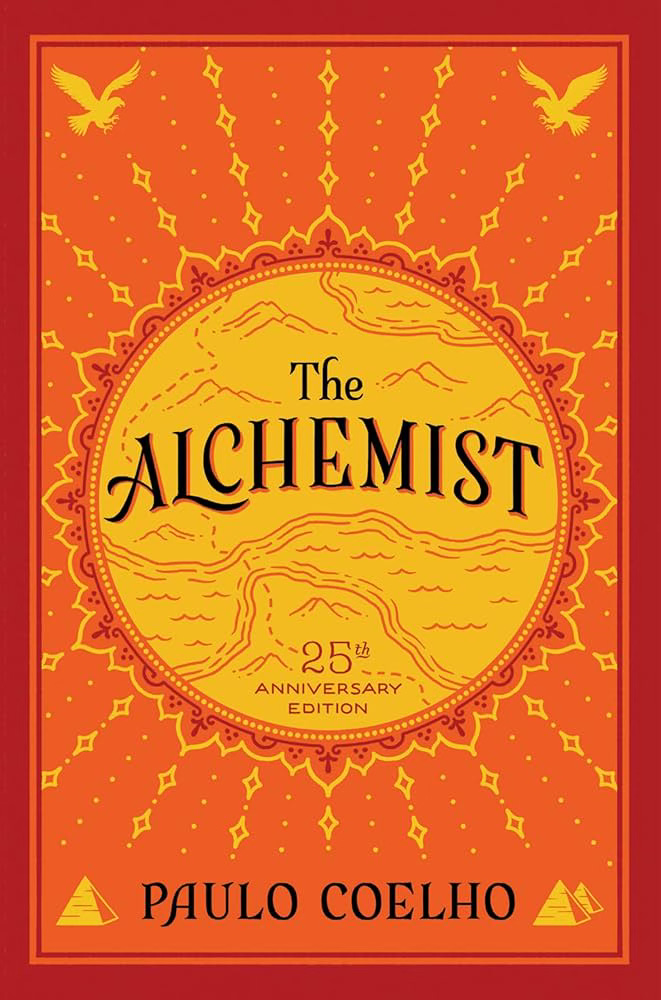
The Alchemist by Paulo Coelho
After finishing the Harry Potter series, I floundered around for a bit on what to listen to next. I had saved the Alchemist to my reading list for a while and decided to give it a try. It was a short and delightful read. I would love the chance to discuss the book with someone who understands it better because I finished the book feeling like I had missed something.
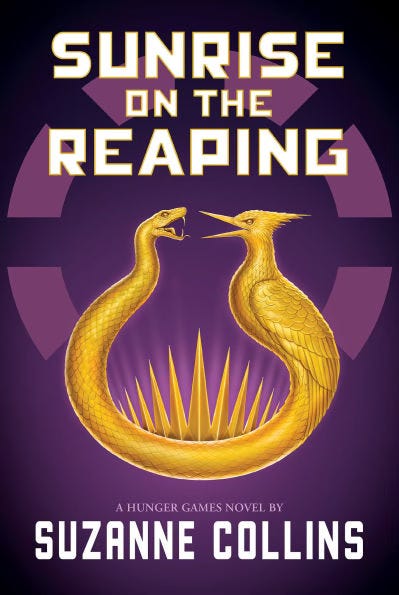
Sunrise on the Reaping by Suzanne Collins
In March, Suzanne Collins released the newest installment in her Hunger Games series. I had enjoyed the Ballad of Songbirds and Snakes back in 2020 and was excited for another book. Because of the stigma around prequels and sequels my hopes were not high but I was pleasantly surprised to find this one to be my favorite of the whole series.
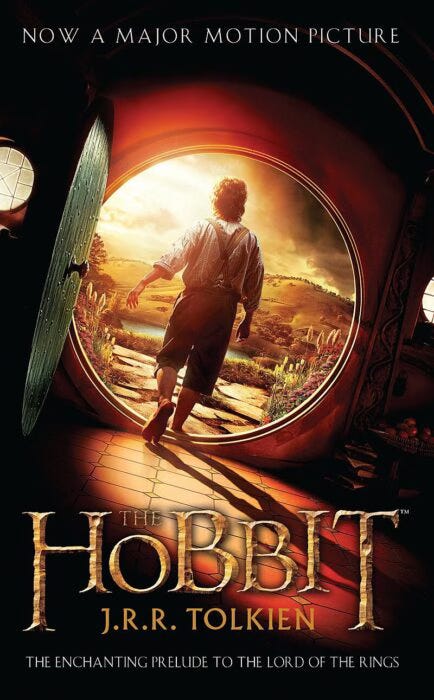
The Hobbit by J.R.R Tolkien
After that I decided to listen through the Hobbit again since it had been a number of years since my first read through. I found it even more enjoyable this time. It had been long enough to forget anything but the major plot points which allowed me to be surprised, concerned, and entertained all over again.
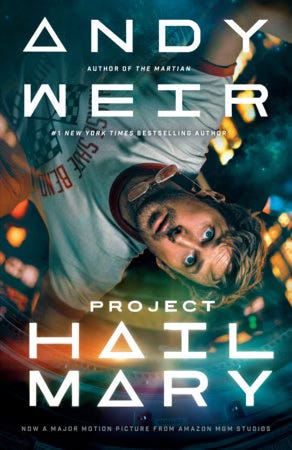
Project Hail Mary by Andy Weir
In August, I stumbled across this novel on Audible. I do not know how or why. I was intrigued by the image of Ryan Gosling on the cover and I was looking for something longer to enjoy. I had no idea I had just found my favorite book of the year and a book that I would put on the same subjective level as the Chronicles of Narnia by C.S. Lewis which for a long time has been my favorite work of fiction of all time. Project Hail Mary (or PHM as my friends have come to call it) was the perfect book for me. It was exactly what I am looking for in a novel. It was hilarious. I laughed out loud nearly every single night as I listened to it. Weir’s wit is unparalleled. It was suspenseful. I was constantly desiring to extend my sleep timer and keep listening to hear what happened next. It had the perfect balance of world building with the new and unfamiliar while being grounded in enough of the familiar and relatability. I wish Weir had hundreds more books for me to read.
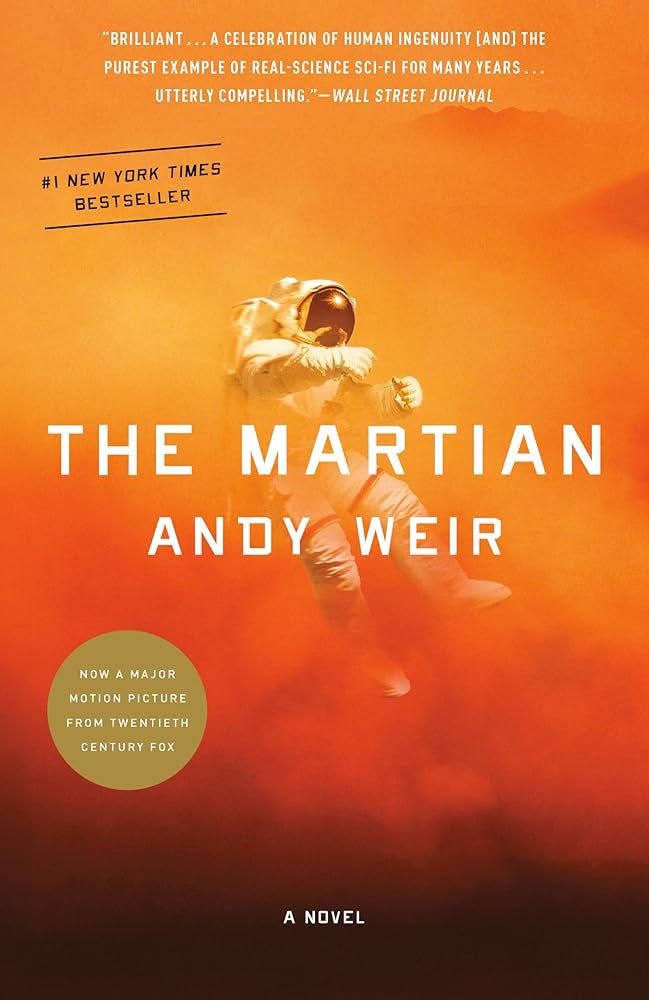
The Martian by Andy Weir
I had somehow managed to never see The Martian so I followed up PHM with another Weir. The Martian contained all the same wit, suspense, and balance as Project Hail Mary. I wonder if I would have ranked it higher if I had read it first but either way I highly recommend it.
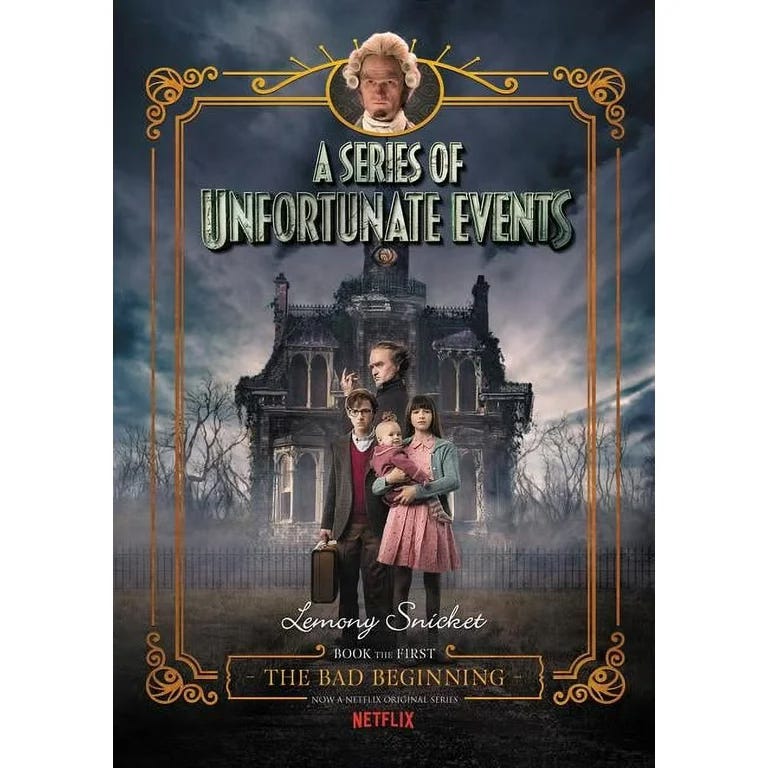
The Bad Beginning by Lemony Snicket
As I ran out of Weir books, I turned to some old classics I had enjoyed growing up. I remembered the Series of Unfortunate Events series and listened to the first book in the series. I thoroughly enjoyed it even all these years later but I opted to not continue the series simply for the value since the books are short but still cost me the same credit that I used for a 16 hour audiobook.
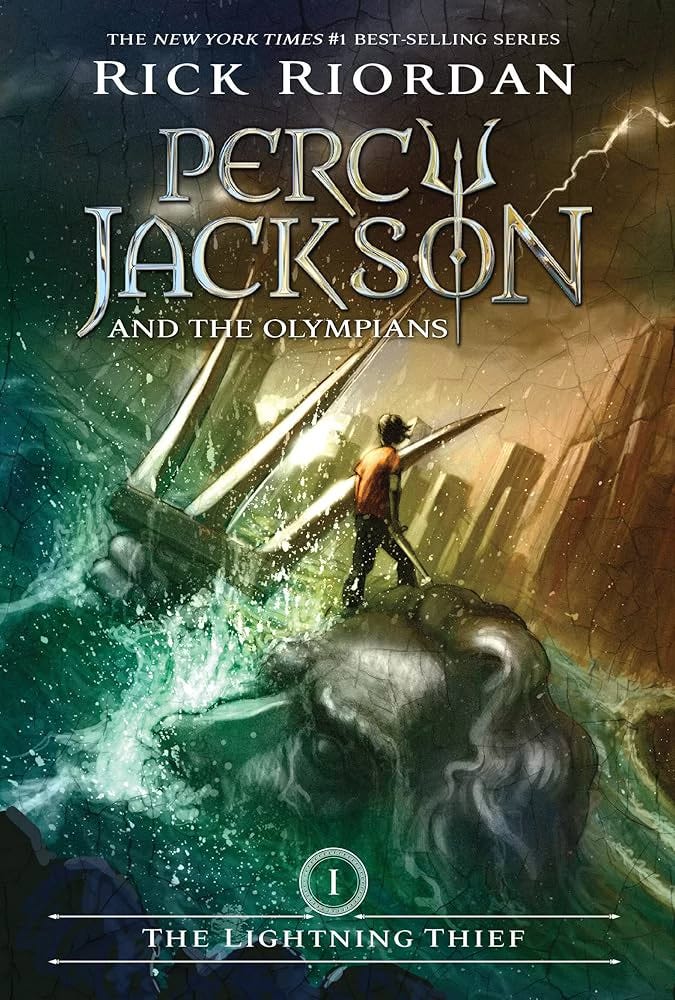
The Lightning Thief by Rick Riordan
Having cracked the door to my adolescent favorites, I continued the trend by restarting the Percy Jackson series by Riordan. Once again it had been long enough for me to forget all but the major plot points and be able to immerse myself in the story afresh.
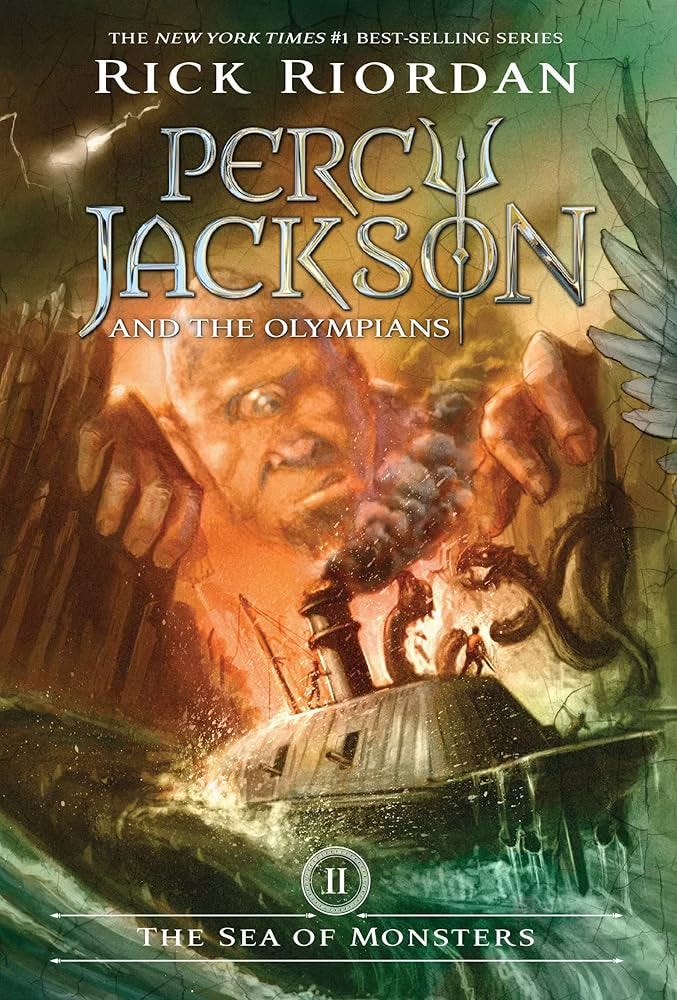
The Sea of Monsters by Rick Riordan
I continued the series and rediscovered forgotten characters, events, and thoughts. I found myself enjoying Riordan’s writing even more with a more thorough understanding of Greek Mythology and a few more years of life experience.
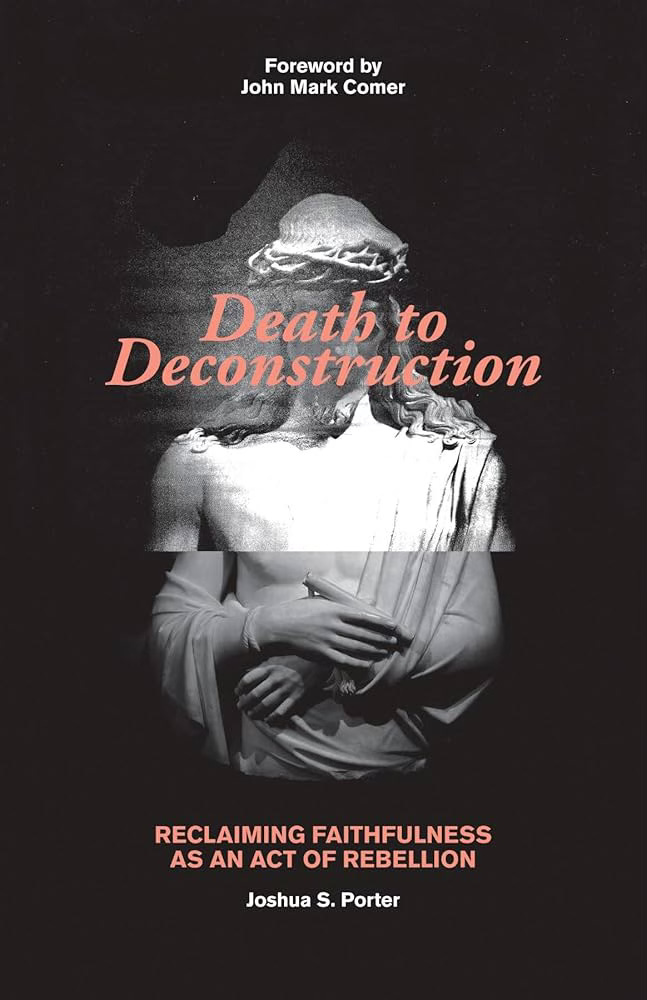
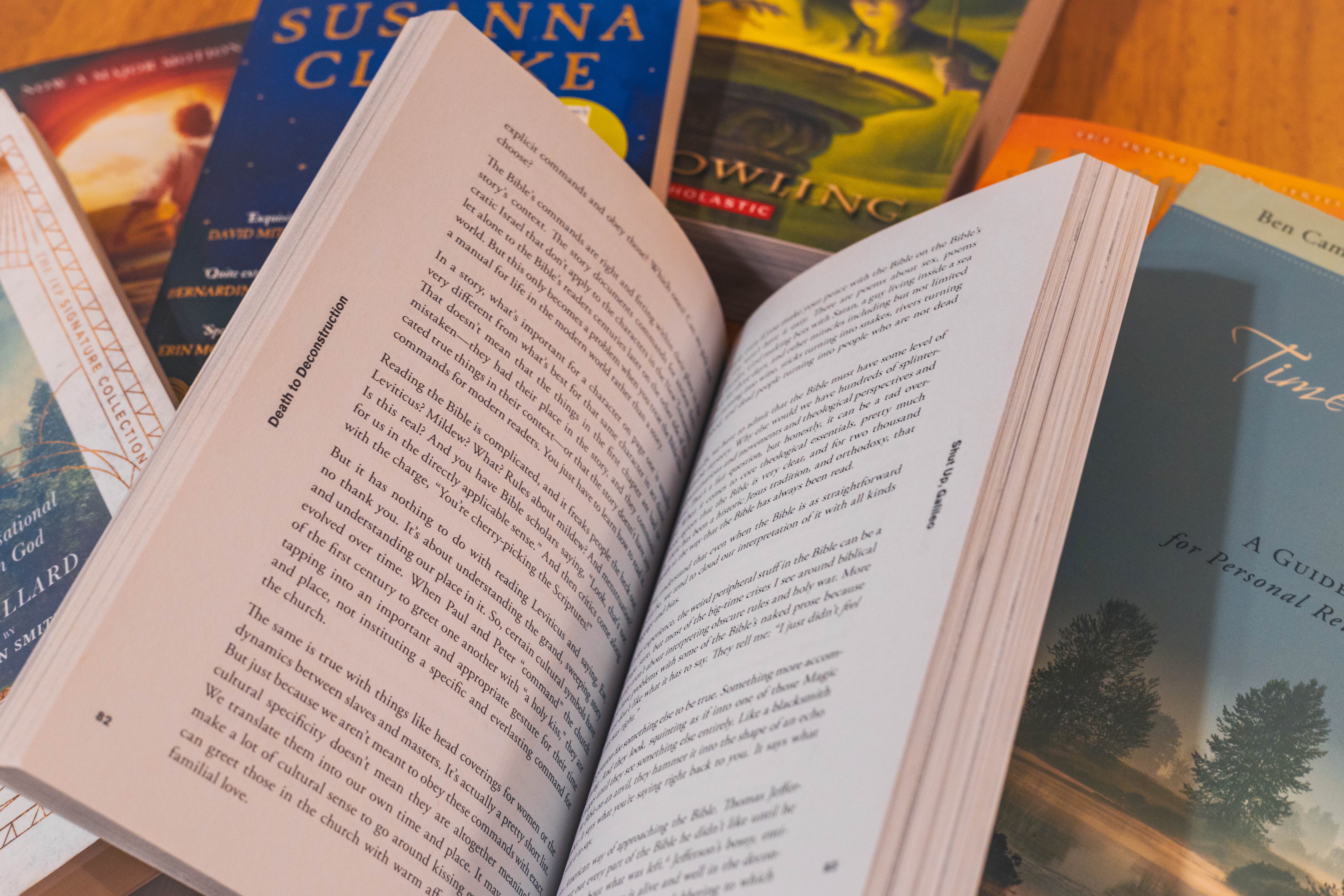
Death to Deconstruction by Joshua S. Porter
Fiction was not the only thing I listened to this year. As soon as I finished finals in December, I flew through this wonderful book by Josh Porter. I have been listening to Porter teach at Bridgetown Church and Van City Church on a weekly basis for over a year and a half now so I was most excited to listen to his written work. Porter balances a poetic flare, a prophetic voice, a love for Jesus, and a commitment to reality and grace. I think this would be the number one book I would recommend to a seeker, the disillusioned, the discouraged, or the committed Christian.
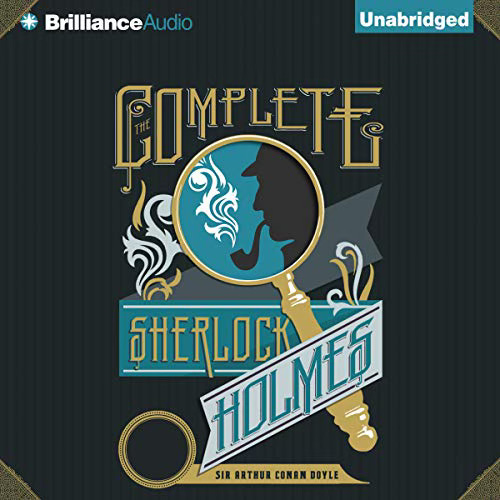
The Complete Sherlock Holmes by Sir Arthur Conan Doyle
2025, was a year of goodbyes as well. For the past two years I have been listening to Sherlock Holmes every sabbath. I would listen to one short story (usually about 30 minutes). It had become a precious part of my sabbath routine. This past Saturday, I finished the last of Sherlock. It was such a sweet thing to enjoy some mystery, humor, and bite sized fiction each weekend.
In Progress:
Being God’s Image by Carmen Imes
The Titan’s Curse by Rick Riordan
Red Rising by Pierce Brown
The Count of Monte Cristo by Alexandre Dumas
The Unseen Realm by Dr. Michael S. Heiser
A Reflection on Fiction:
As I look over this list and write about each of these books, I think about the importance of fiction. Growing up, I was lucky enough to be exposed to and encouraged to read fiction. I was a voracious reader through elementary, junior high and high school. I read whenever I could find time. It was only in undergrad with the heavy reading that I did for school that my consumption of fiction stuttered to a halt. As I have reengaged with fiction over the past two years, and reflected on its importance, I have become profoundly grateful for the gift that it has been for me and continues to be. Fiction does something that nothing else does. It works in a way that movies, tv shows, podcasts, and nonfiction do not and cannot. They draw you into a different world, knit your heart to someone different than you and allow you experience, live, laugh, love, and cry for someone you have never even met.
Physical Books:
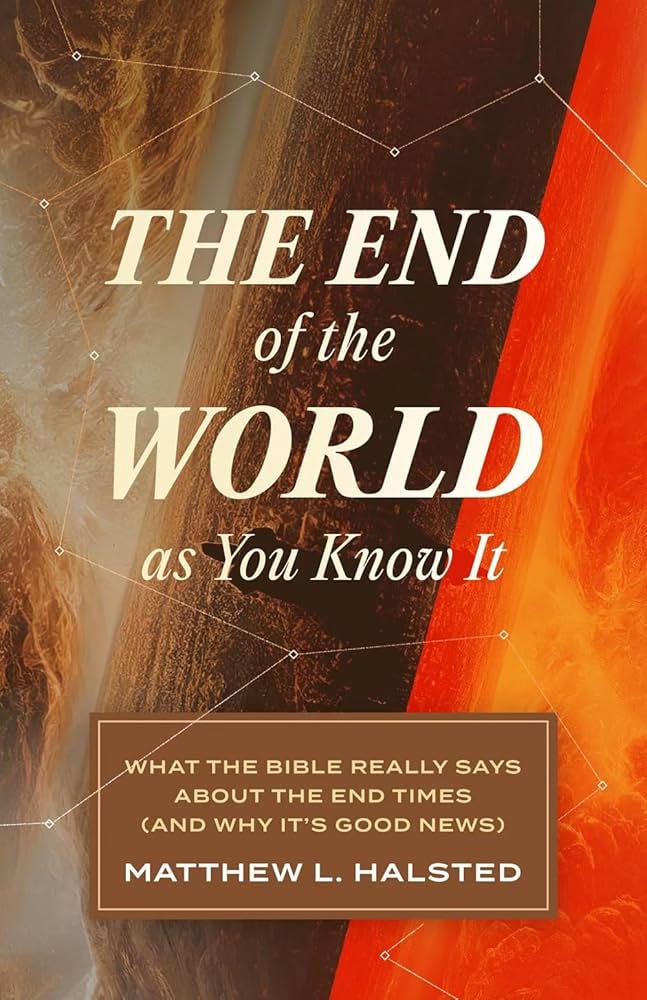
The End of the World as You Know It by Matthew Halsted
Dr. Halsted was on my undergraduate professors at Eternity Bible College and I had the privilege of taking him for my Exegesis and Application of Revelation class while he was finishing this book. He had given us the chance to read a couple chapters then and as a result of that class my understanding of eschatology changed substantially. In this book as well as in his lectures and Substack, Halsted communicates with historical context, Biblical consistency, and academic clarity. This is my go-to resource on “End Times” theology.
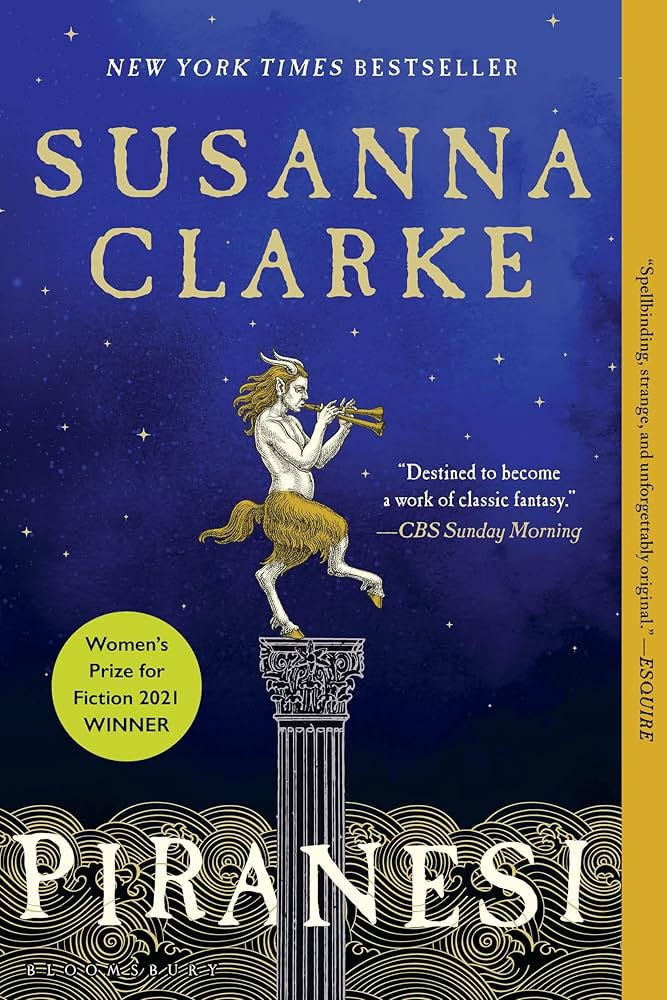
Piranesi by Susanna Clarke
Piranesi was recommended to me by one of my favorite undergraduate professors, Sarah Finn. She had already recommended “Good Omens” by Neil Gaiman and Terry Pratchett which I had thoroughly enjoyed but I had ordered this one in print because I wanted to physically read it so I waited until I could do that. Once I started it, I read through it in a week flat. It was strange, exciting, and fun. It kept me on my toys and had me thinking even while laughing and caring for Piranesi.
In Progress:
Way of Kings by Brandon Sanderson
A Reflection on Reading Physical Books:
As you can quite easily tell, in my leisure reading the audiobooks far outweigh the physical ones. I wish this were not the case but it has become a concession that I have begrudgingly made during this season of my life. I think that there is something so meaningful and important about holding a book in your hands and turning the pages and seeing the progress as you move your bookmark. In this season of life while I am in graduate school reading books upon books each semester, I have made peace with my capacity for printed books being lower. In the meantime I appreciate audiobooks as a means to still immerse myself in good books but on occasion I make space and time to read a good old fashioned book.
Ministry Reading:
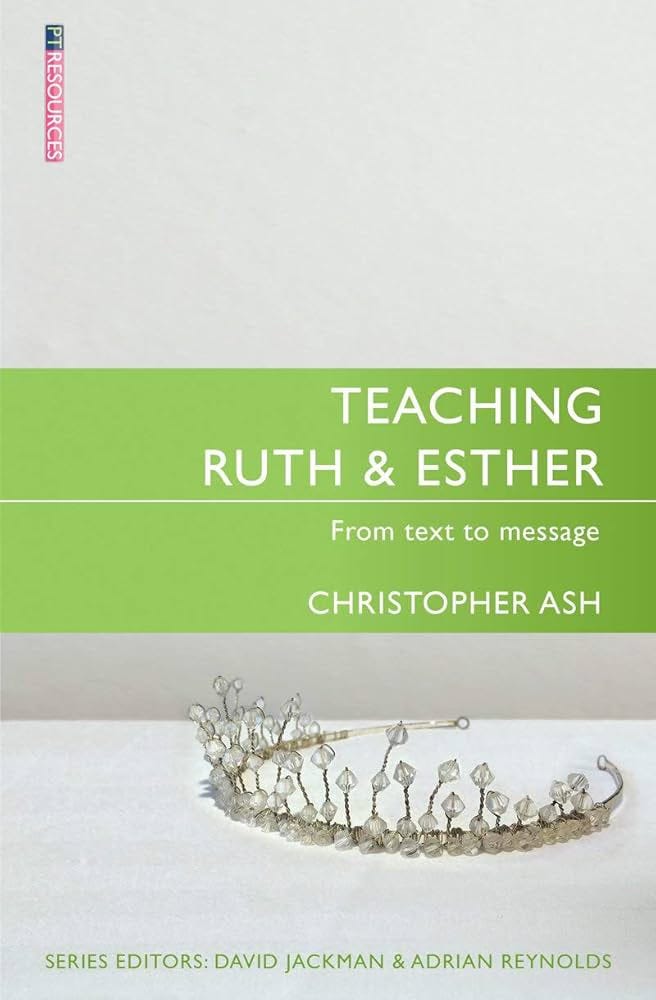
Teaching Ruth and Esther: From Text to Messsage by Christopher Ash
This was my first time using this series and I was thoroughly impressed. This is a simple and helpful tool for anyone teaching Scripture. It includes “common mistakes”, big picture, and specific considerations.
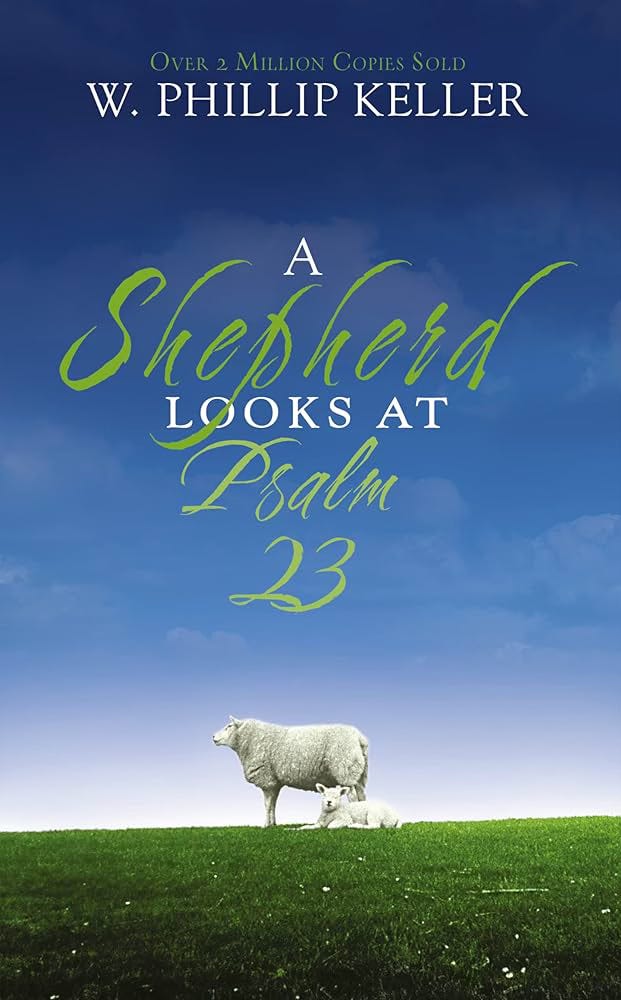
A Shepherd Looks at Psalm 23 by W. Phillip Keller
This summer, I took my students through Psalm 23 and as part of my preparation, I reread this great little book. It provided insights I do not hear and do not think about. It opens up Psalm 23 in a powerful way.
A Reflection on Rereading:
As I was writing the last section and this one, I realized the quantity of books I reread this year. That is not something I had spent a ton of time thinking through ahead but something that just happened over time as I came back to books and series that I loved and reentered their pages. I think there is something unique about books that lend themselves to that. Beyond my annual watching of “It’s a Wonderful Life” I prefer not to watch movies again, I have yet to watch a show again, but books are different. I think part of that draw to reread for me comes from my convictions around scripture. I believe that the scriptures were intended to be meditated on being read over and over again. To a far lesser degree that impulse has carried over into other literature. The way that you can read something years later and notice different things, appreciate new things, or be reminded of things you forgot is something that good literature shares.
Talbot School of Theology (Institute for Spiritual Formation) Reading:
Theology II: Spring 2025
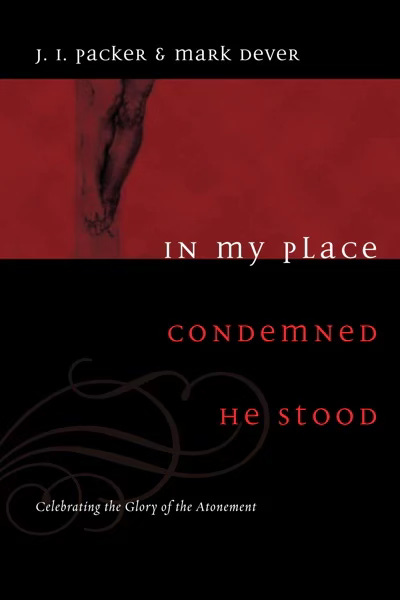
In My Place Condemned He Stood by J. I. Packer and Mark Dever
In this book Packer and Dever write in defense of the Penal Substitutionary Atonement model for understanding what Jesus did on the cross. This book was a helpful sounding board for my ongoing wrestling around atonement theories. Packer and Dever make a thoroughly biblical argument throughout their book.
The Message of Salvation: By God’s Grace, for God’s Glory by Philip Ryken
This book was a wonderfully rich explanation of the gospel. Ryken rooted the proclamation of the gospel in the Biblical story and a developed a Biblical theology of what salvation is from Genesis forward. I wrote about this book in a post titled, “Saved into Something: Rediscovering the Full Gospel”.
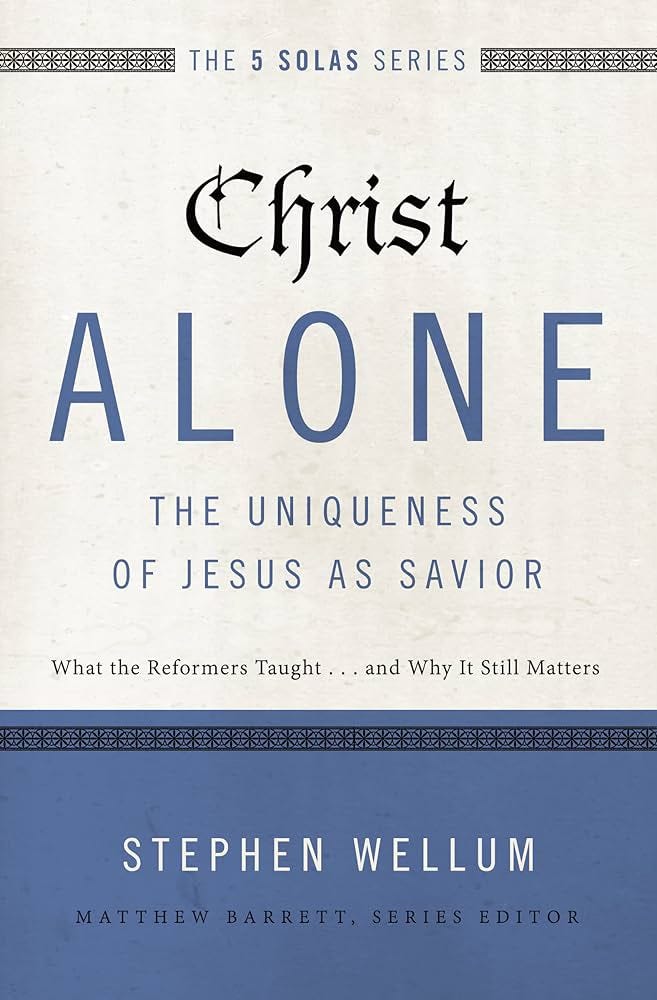
Christ Alone: The Uniqueness of Jesus as Savior by Stephen Wellum
In Christ Alone: The Uniqueness of Jesus as Savior, Stephen Wellum provides a deep and wide theological defense of the exclusive sufficiency of Christ in salvation. Specifically, Wellum emphasizes how penal substitution best makes sense of the Biblical data and accounts for the necessity of a God-centered understanding of the atonement. I intend to write about this book soon!
Mere Sexuality: Rediscovering the Christian Vision of Sexuality by Todd Wilson
Mere Sexuality was one of the most impactful books I read at Talbot this past year. It put words to things I had been uneasy about for many years and pushed against shadow sides of the evangelical approach to sexuality that I felt were incredibly necessary. I wrote about this book in a post titled, “The Sexuality & Chastity of Jesus and What it Means for Us”.
Personality Development and Psychopathology: Spring 2025
Abnormal Psychology, 10th edition by Ronald J. Comer
Abnormal Psychology is the most “textbooky” (I am going to use that) book on this list. It was a clinical explanation of different psychological conditions based in the DSM-5. It broadened my understanding of countless psychological pathologies. It was definitely the most challenging book on this list.
Christianity and Psychoanalysis: A New Conversation by Earl D. Bland and Brad D. Strawn
Christianity and Psychoanalysis was also a challenging read but it was much more enjoyable. Each chapter would address a psychological model such as Freudian Psychoanalytic approach and then explain it, compare and contrast it with the Christian tradition. I found the approach incredibly fruitful as instead of throwing the baby out with the bath water they advocated an approach of eating the meat and spitting out the bones.
Reclaiming Your Story by Merle R. Jordan
Reclaiming Your Story was the most introspectively challenging book on this list. After reading this book, we wrote a 10-15 page paper using his questions at the end of the book to reclaim our own story. The book required us to look at the unspoken rules of our family of origin and the many dynamics at play in our person.
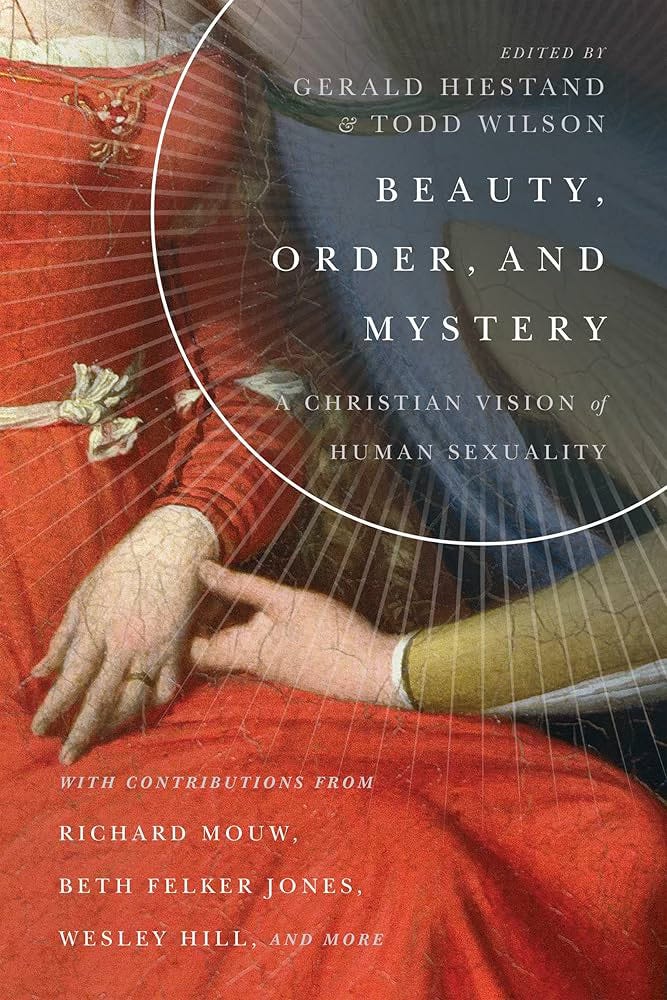
Beauty, Order, and Mystery edited by Gerald Hiestand and Todd Wilson
Beauty, Order, and Mystery was an encouraging, convicting, and challenging read. It brought together short contributions from different authors on the spectrum of sexual theology. They sometimes disagreed with each other and others simply nuanced things out differently. Some of the stories in this book broke my heart for people and for the church.
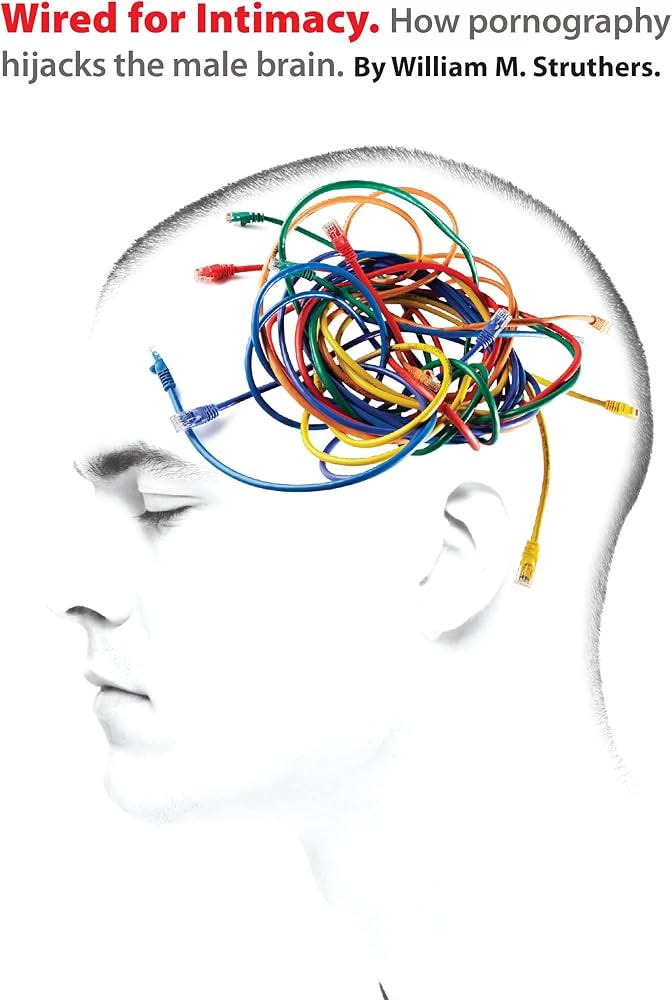
Wired for Intimacy: How pornography hijacks the male brain by William M. Struthers
Going into the reading of Wired for Intimacy, my expectations were that it would be a repetition of the things that I have read, listened, or discussed as someone who has grown up in the church. First, I was struck by the balance of theological and scientific (or clinical) balance. More than the majority of others books that I have read on this and adjacent topics, Struthers integration of the two disciplines was rich and refreshing. Second, I think often when taken on its own, the theological approach comes across in a very condemnatory manner because the only thing emphasized is sin. Struthers posture on the other hand was not condemnatory but rather convicting and then empowering. The last thing that was a particular strength of the book was the focus on restoration.
Developmental Spirituality and Contemplative Prayer: Spring 2025
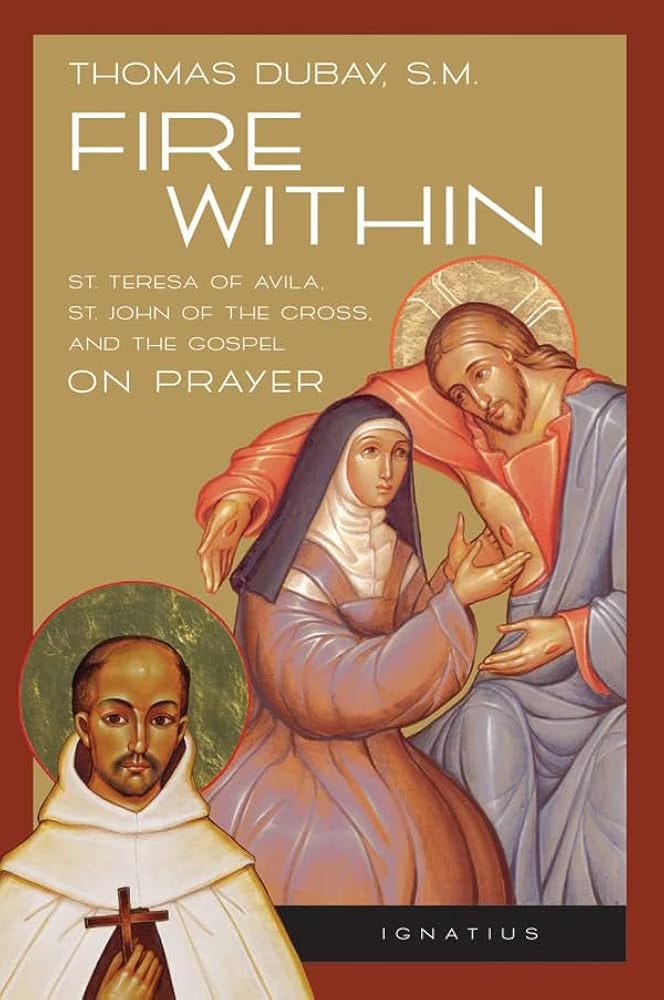
Fire Within by Thomas Dubay
In Fire Within, Dubay both exposed me to and explained St John of the Cross and St. Teresa of Avila. He provided their own words while also easing me into their thoughts and writings in a helpful way.
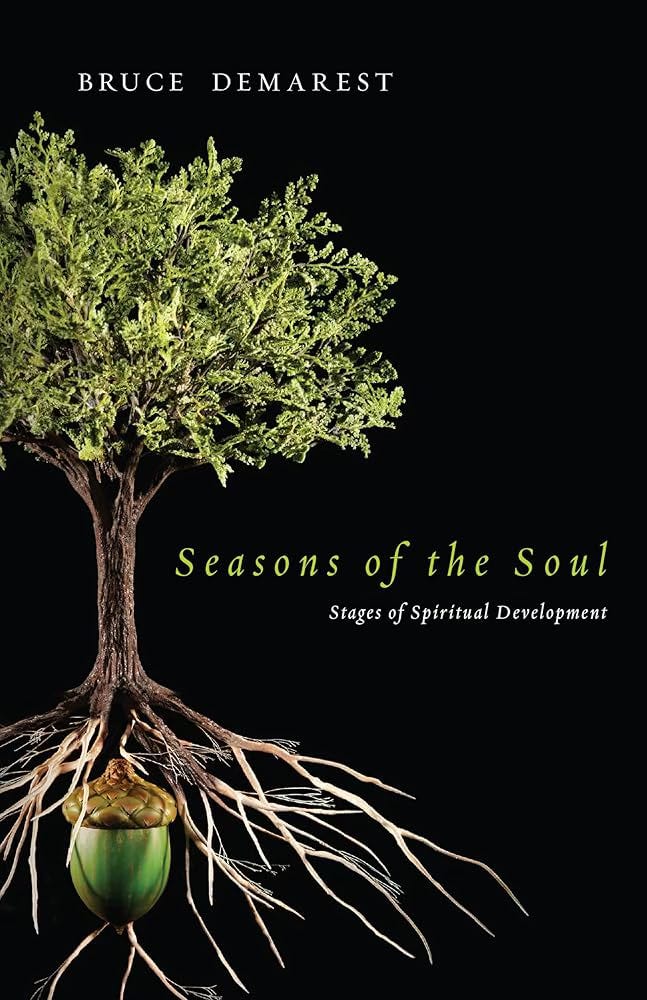
Seasons of the Soul by Bruce Demarest
Demarest did an incredible job of exploring the reality of seasons in our spiritual life. He helpfully balanced scripture, tradition, and real life stories to make his case. As he wrote, I was able to see myself in the pages and orient where I find myself in this current season of spiritual growth.
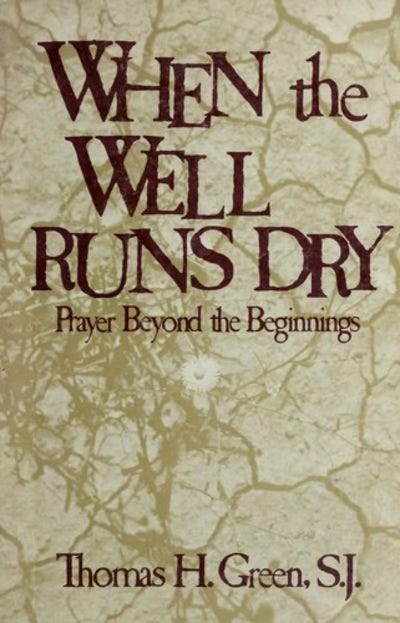
When the Well Runs Dry by Thomas Green
When the Well Runs Dry was an incredibly encouraging book as it similarly oriented me to my experience of walking with the Lord for the past twenty years as well as challenging me in ways I am neither familiar with nor comfortable in. He names the drying up of devotion as an opportunity to waste time on God. I highly recommend.
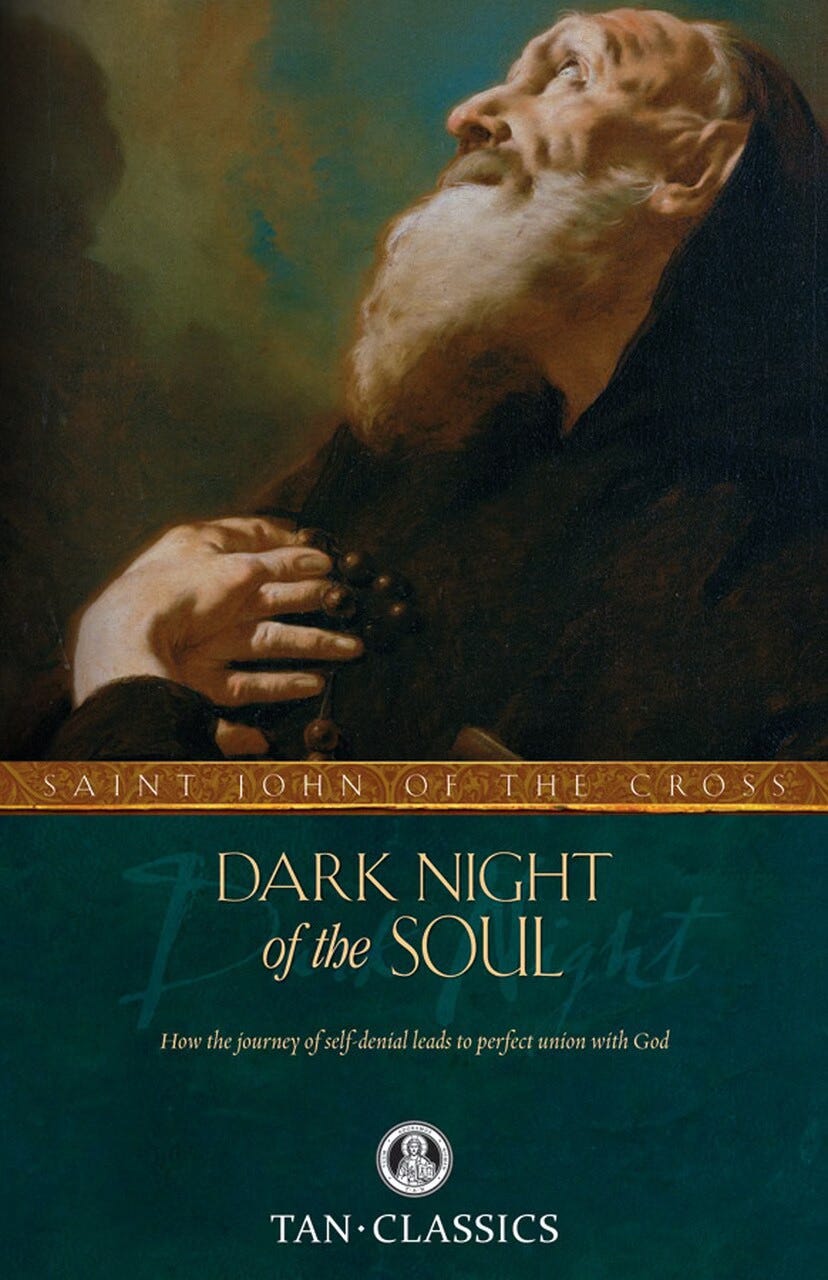
St. John of the Cross, Dark Night of the Soul edited by Kavanaugh
As a student at the Institute for Spiritual Formation, St. John of the Cross is someone we hear about all of the time. Dr. Coe referenced him in nearly every single class our entire first year of the program. With that background introduction, it was a powerful experience to hear him in his own words and see the things he said within the context of his broader arguments.
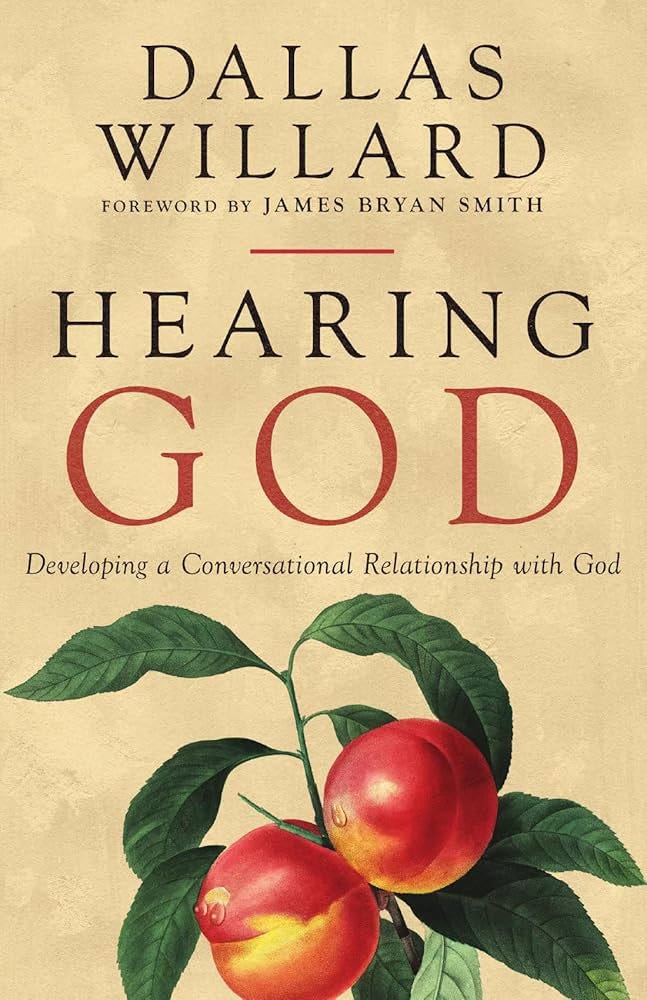
Hearing God by Dallas Willard
This was one of my favorite books from the Spring 2025 semester. It was the first Willard book I have read despite enjoying his lectures and disseminated material through John Mark Comer. His explanation of discernment and prayer were category breaking and incredibly life giving.
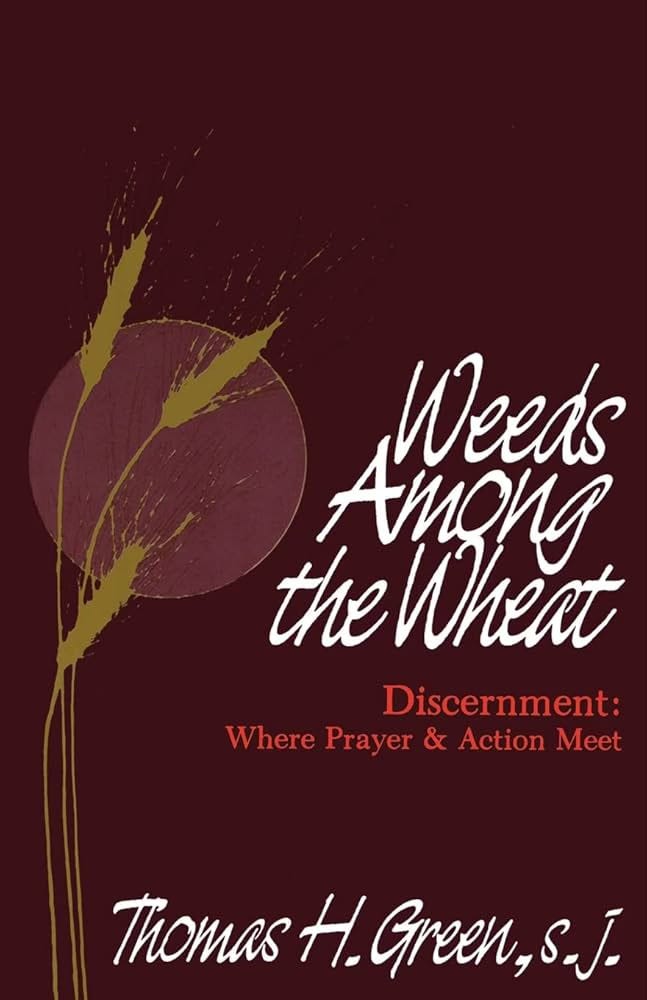
Weeds Among the Wheat by Thomas H. Green
Weeds Among the Wheat was probably my favorite book from that semester. Green explored the importance of discernment in a way that no one else ever had. He named the real dangers from the enemy in seeking to “hear from God” and ask for “God’s will” as well biblical and practical litmus tests for seeing the fruit of ideas and decisions.
Intensive Journey Inward and Retreat: Spring 2025
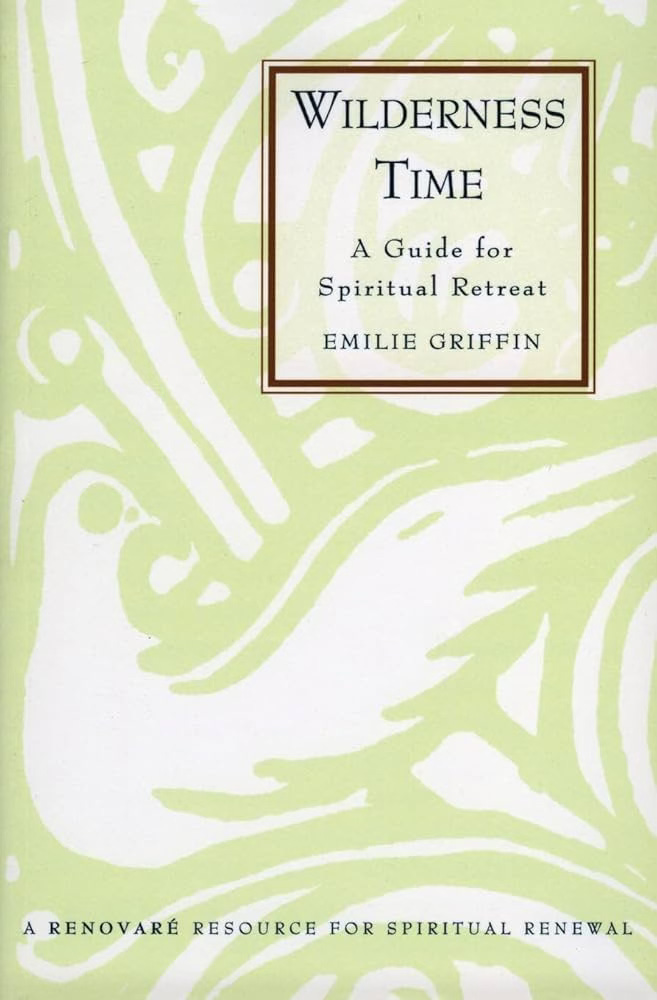
Wilderness Time: A Guide for Spiritual Retreat by Emilie Griffen
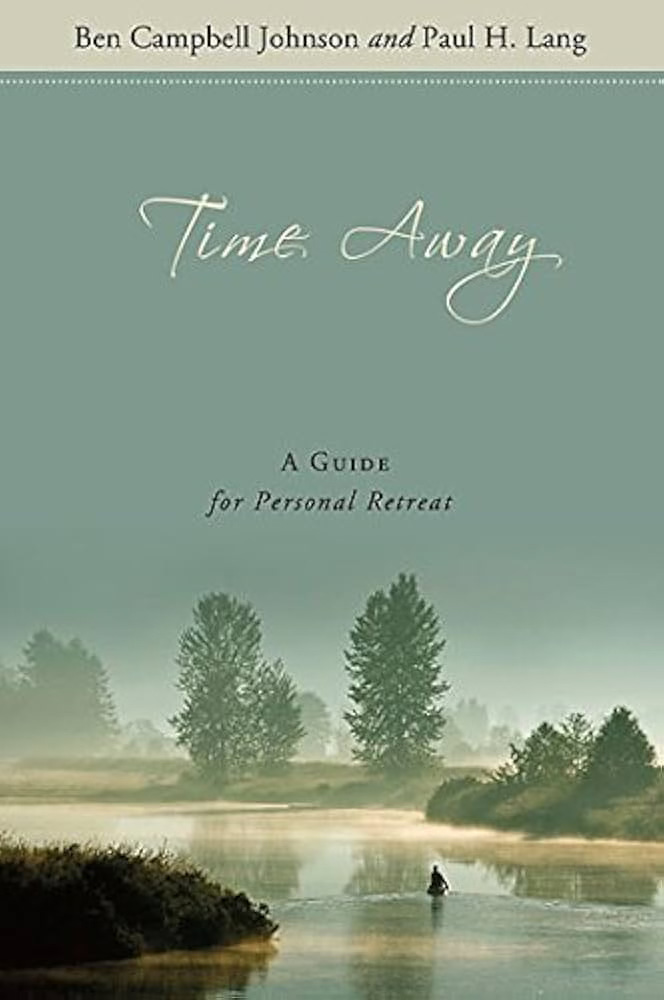
Time Away: A Guide for Personal Retreat by Johnson and Lang
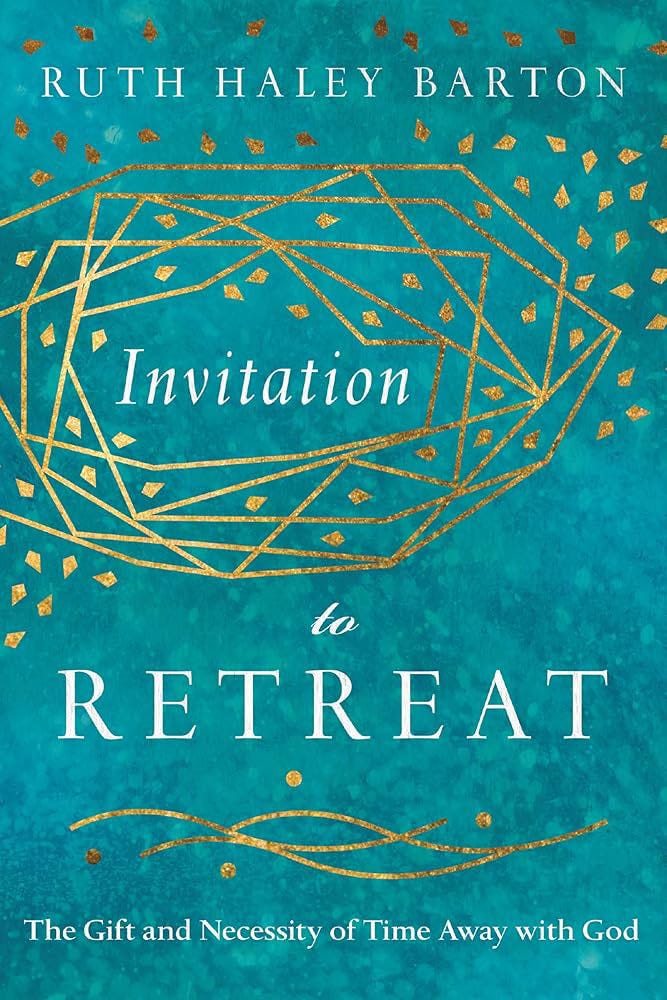
Invitation to Retreat by Ruth Haley Barton
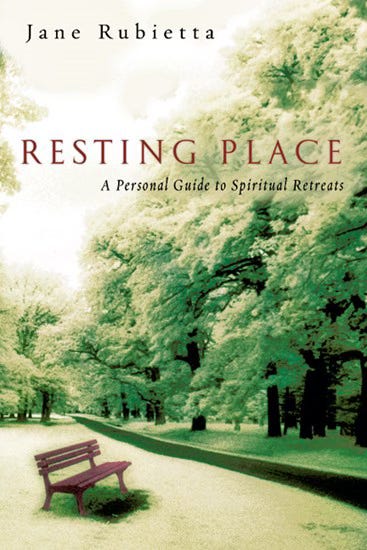
Resting Place: A Personal Guide to Spiritual Retreats by Jane Rubietta
Each of these books offers overlapping and unique insight for pursuing a retreat with the Lord. After reading all four, I wrote these two posts distilling my takeaways: A Quick Guide to Retreat: Wisdom and Guidance for Stepping Away to be with God and Sacred Withdrawal: Embracing the Uncomfortable Joy of Retreat: A Philosophy of Silence and Solitude Retreats.
Church and Society: Summer 2025
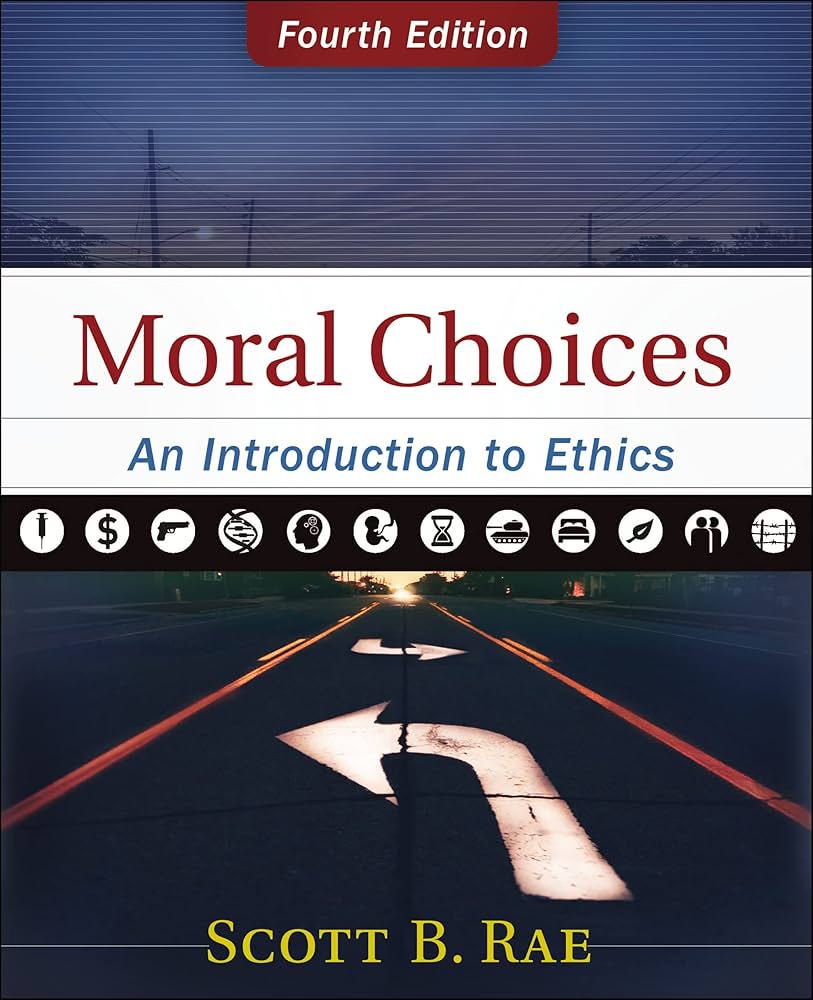
Moral Choices: An Introduction to Ethics by Scott Rae
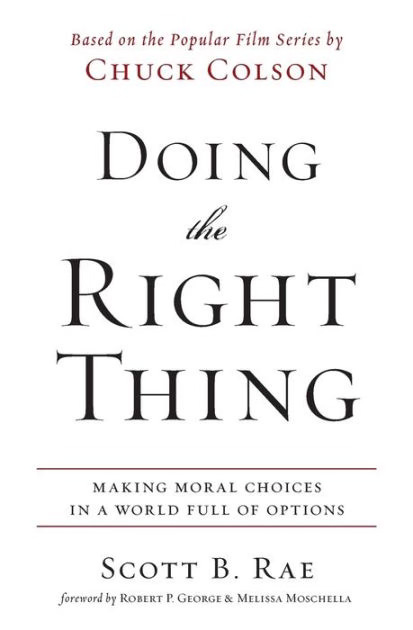
Doing the Right Thing: Making Moral Choices in a World Full of Corruption by Scott Rae
These two books far surpassed my expectations in every way. They were practical, insightful, and helpful. I wrote responses to three of the case studies in Moral Choices: Infertility & a Theology of Life: A Response to Case 6.1 from Moral Choices by Dr. Scott Rae, Life Support & a Theology of Death: A Response to Case 8.1 from Moral Choices by Dr. Scott Rae, and Animal Testing & a Theology of Creation Care: A Response to Case 12.1 from Moral Choices by Dr. Scott Rae.
Christian Virtue and Spiritual Disciplines: Fall 2025
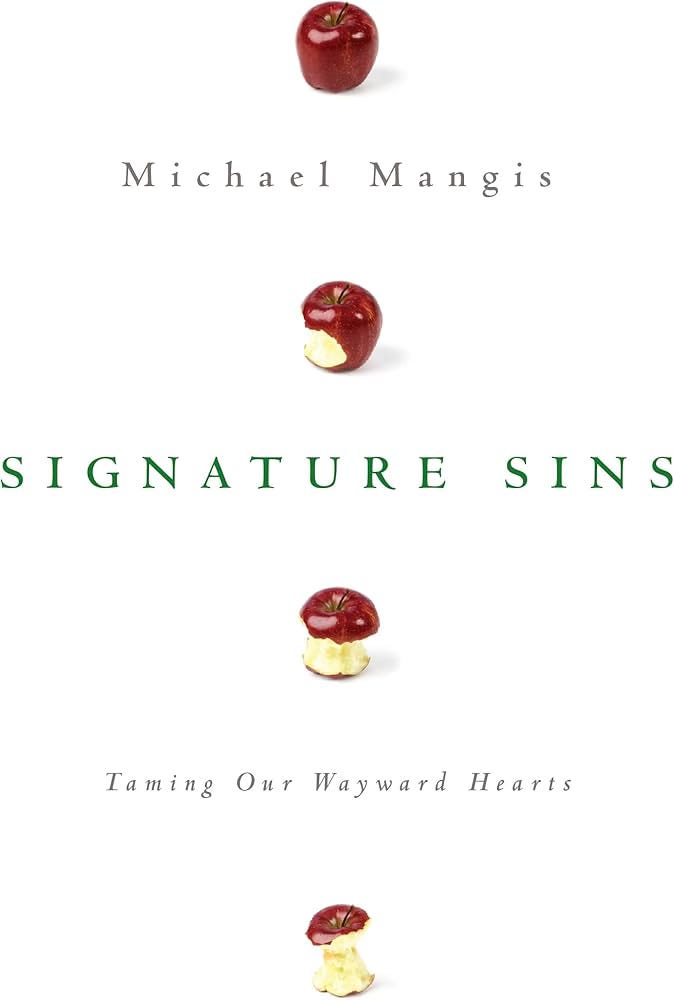
Signature Sins by Michael Mangis
Signature Sins was an uncomfortable book to read. It felt less like I was reading it and more like it was reading me. It left me feeling understood, and exposed. It was an insightful and powerful read for anyone who wants to take sin seriously.
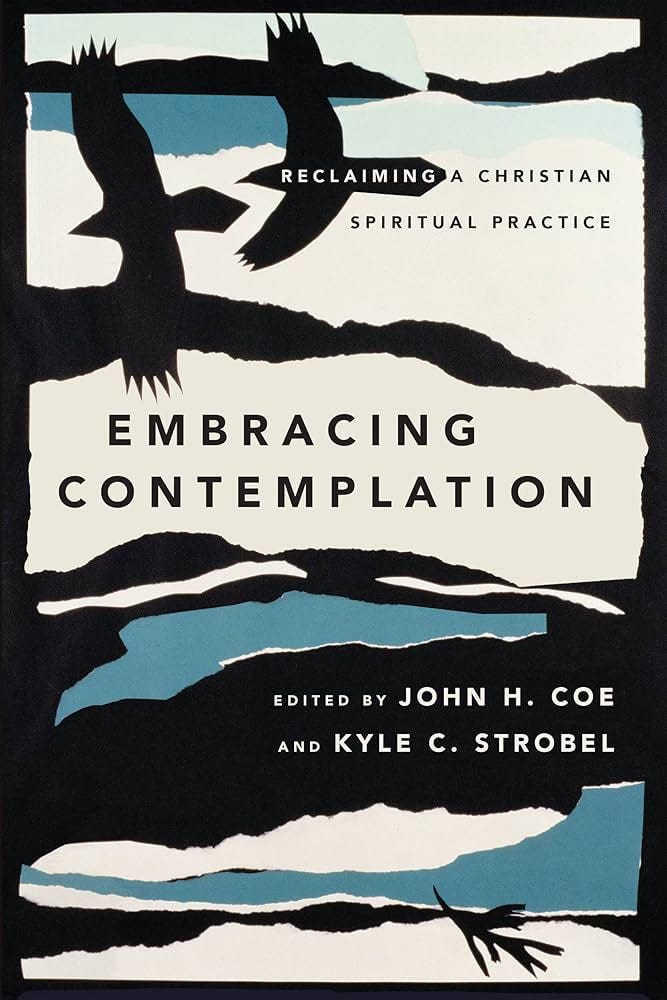
Embracing Contemplation by John Coe & Kyle Strobel
Embracing Contemplation for me was concise summarization of much of what I have learned over the past year and a half. This book helpfully explains the contemplative tradition from all of its different streams with a diverse list of authors from different theological persuasions.
History and Theory of Christian Soul Care & Direction: Fall 2025
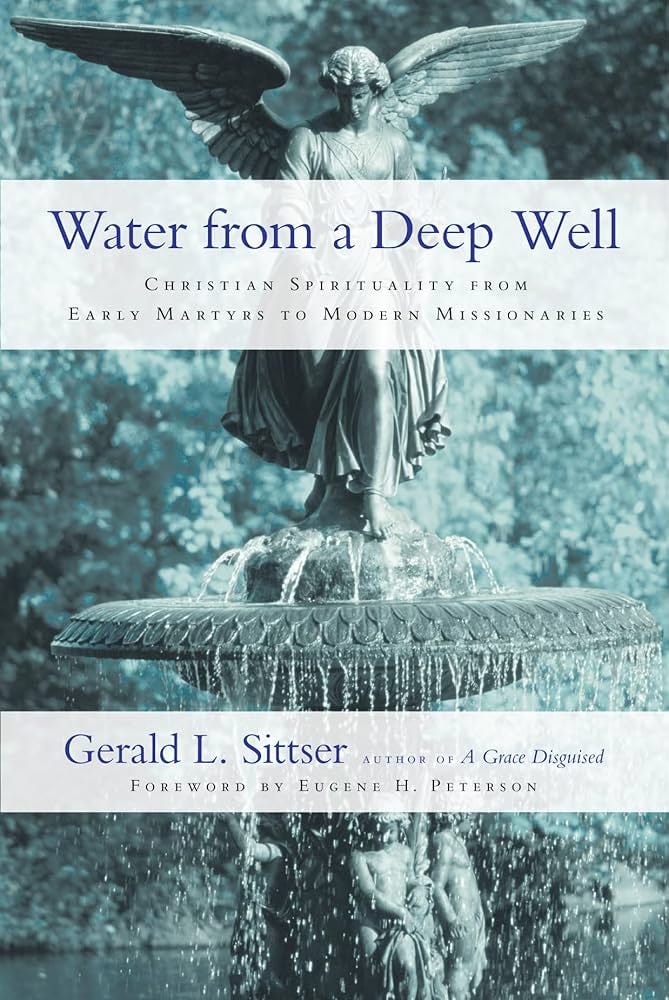
Water From a Deep Well: Christian Spirituality from Early Martyrs to Modern Missionaries by Gerald L. Sittser
This book was particularly enlightening as it traced the development and movement throughout its history. As we read each chapter, we would have to asnwer questions like, “What is the cultural context of this view? (Definition of a ‘soul’?), What are the biblical foundations of this view?, What theories of sanctification and spiritual development are represented by this view?, and ‘Who’ does ‘what’ to/for/with ‘whom’ within this view? (Agency & instrumentality?)”. This process shaped my experience of the book and I cannot imagine reading it without that structured approach.
The Rule of Saint Benedict edited by Timothy Fry
This was my second time reading through the Rule of Saint Benedict and it was just as impactful as the first time. I will be writing about the Rule in an upcoming series of posts. For now, here is a short excerpt: “Within the Rule itself, Benedict repeatedly emphasized the importance of permanence and the weight of committing to such permanence. Within his community, he wanted everyone to be clearly informed about what they were committing to”.
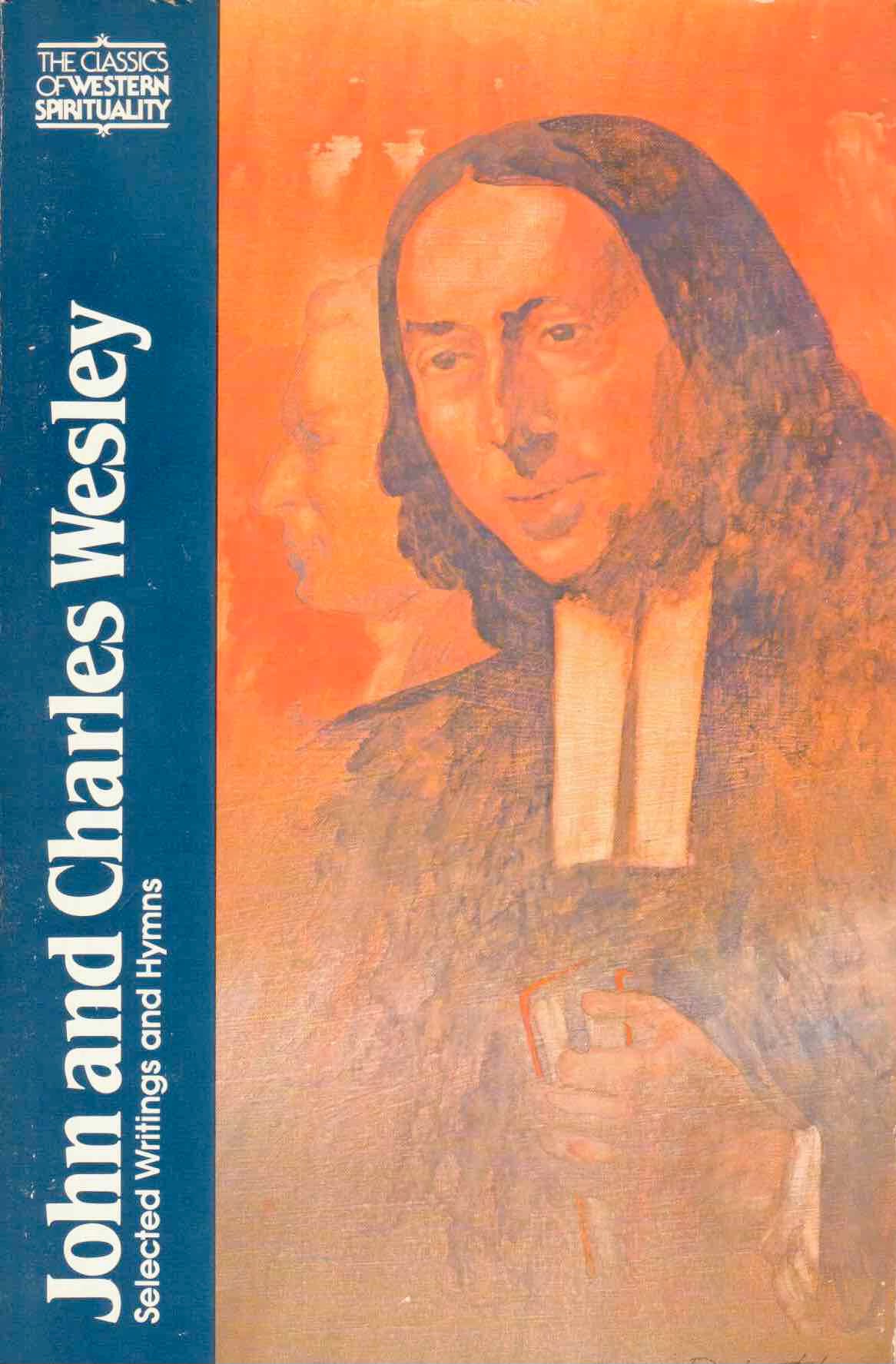
John and Charles Wesley: Selected Writings and Hymns edited by Frank Whaling
Before reading this book, I had no familiarity with Wesley other than a name in the historic Christian stream. Through the experience of reading, I gained a deeper grasp of Wesley and his approach to soul care. My very first exposure to Wesley was in the introduction from Whaling and then in reading his own writings immediately after that. I found Wesley more elusive than other traditions I read this semester.
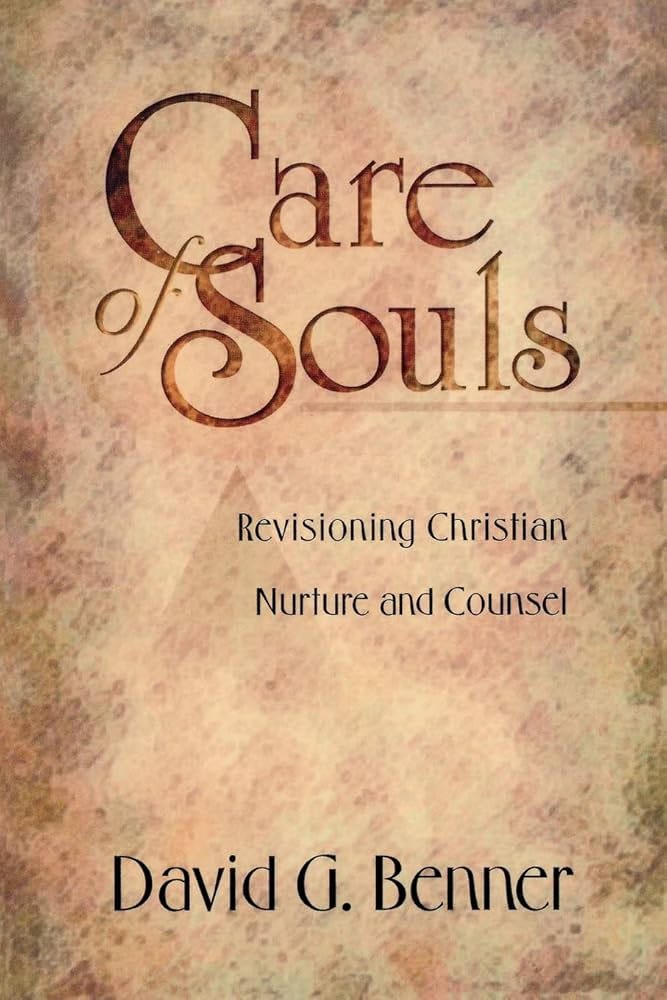
Care of Souls: Revisioning Christian Nurture and Counsel by David Benner
Benner’s book was one of my favorites this semester. He wrote in an accessible and straightforward way while bringing theological and psychological depth. I wrote about this book in a post titled: What is Soul Care?: A Biblical and Theological Foundation for Soul Care.
Pastoral Ministry: Fall 2025
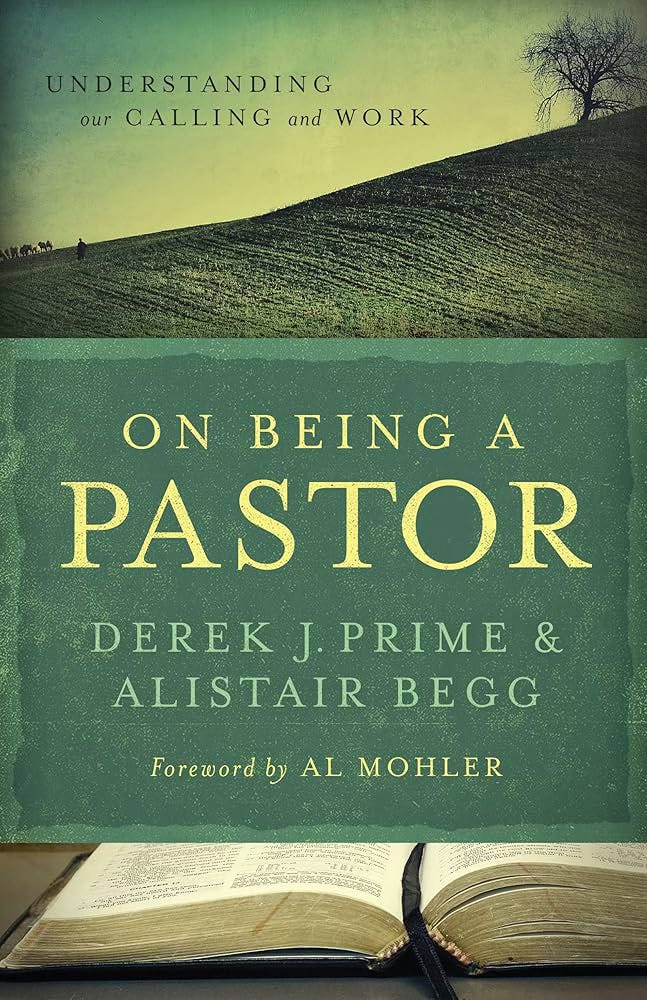
On Being a Pastor by Alistair Begg & Derek Prime
Begg and Prime provide a concise and clear definition and explanation of pastoral ministry. They look to scripture and show the necessary components of being a pastor and compare and contrast that with contemporary pastoral ministry.
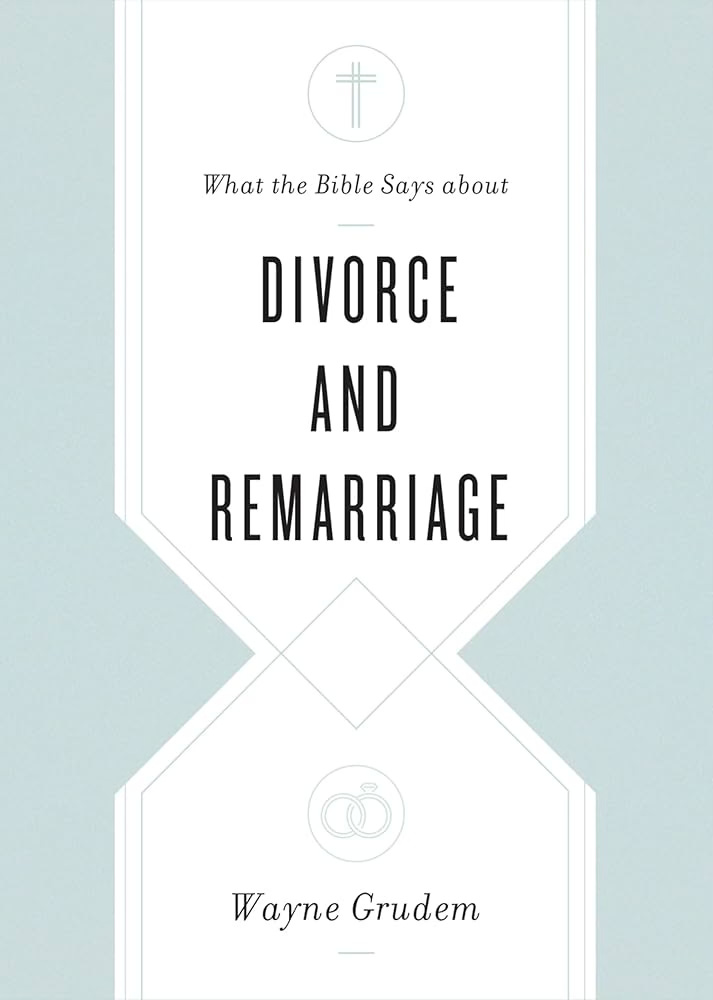
What the Bible Says About Divorce and Remarriage by Wayne Grudem
In What the Bible Says about Divorce and Remarriage, Wayne Grudem provides a biblical and theological survey through Scripture to clarify the legitimate grounds for divorce and remarriage. As he does so, he presents the information sympathetically and pastorally. As he builds his case he starts with the idea that God designed marriage to be a lifelong, monogamous covenant which is rooted in Genesis 1:27-28 and 2:24-25. He proceeds to see how this ideal has been affected by the fall both in human sin and the brokenness of the world. Because of this, he concludes that Scripture allows for divorce in some cases and then when divorce is permitted, so is remarriage. Grudem affirms a view called the Erasmian/Protestant view that sexual immorality is a biblical ground for divorce and that remarriage is allowed after that. He further affirms that Paul’s phrase in 1 Corinthians 7:15 “not enslaved) includes cases of abandonment, like the desertion of an unbelieving spouse. His unique contribution to this conversation is based on his recent research, where he suggests that “not enslaved” might also include cases of serious abuse whether that be physical, emotional or otherwise. The argument is based on the idea that those actions violate the marriage covenant. Grudem demonstrates two important convictions throughout the book. He believes that the Biblical standard for marriage and divorce is best for all people, regardless of religion and also that the church ought to care for those suffering the results of divorce.
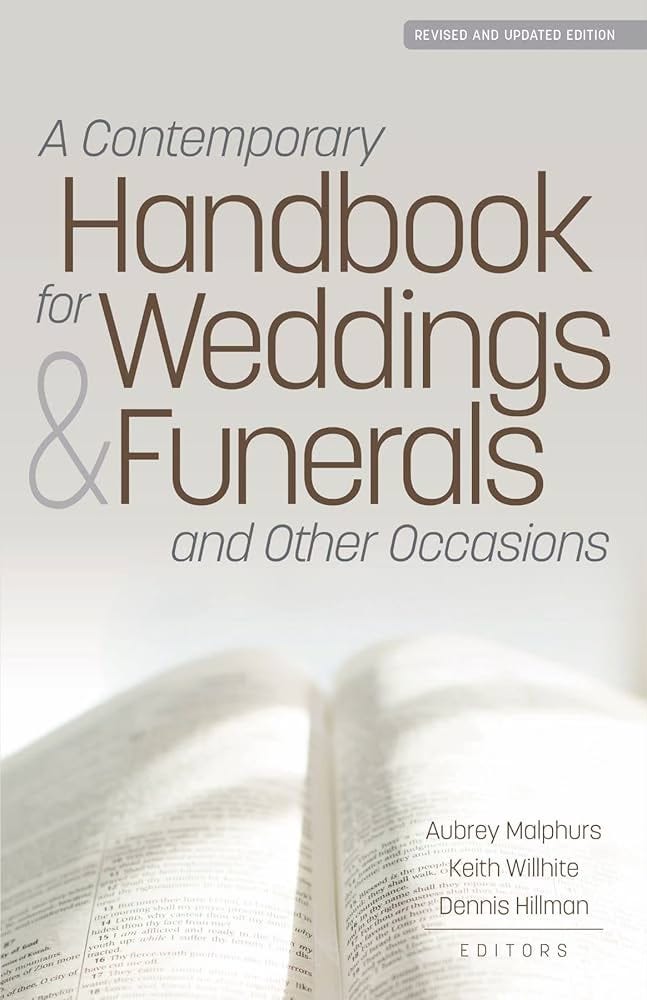
A Contemporary Handbook For Weddings & Funerals And Other Occasions edited by Aubrey Malphurs and Keith Willhite
This was an immensely practical tool for anyone performing weddings or funerals. The editors compile examples and outlines for all types of services which gives you room to pick and choose and adapt as needed.
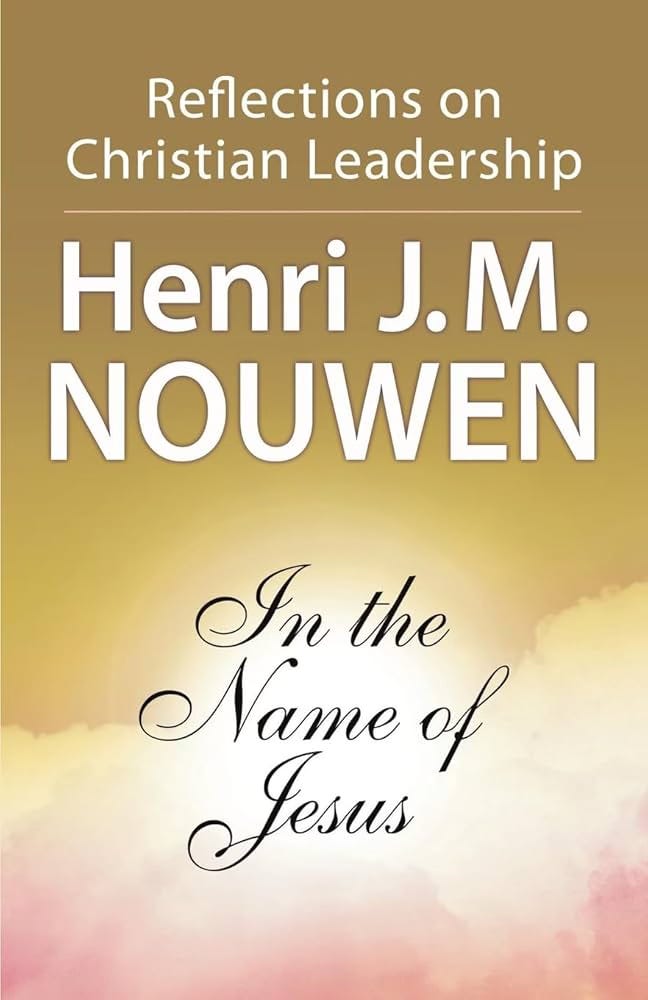
In the Name of Jesus by Henri J.M. Nouwen
This was a phenomenal read and by far my favorite from this class. I wrote about it in a post titled: The Temptations & Cures of Christian Leadership: A Reflection on “In the Name of Jesus” by Henri Nouwen.
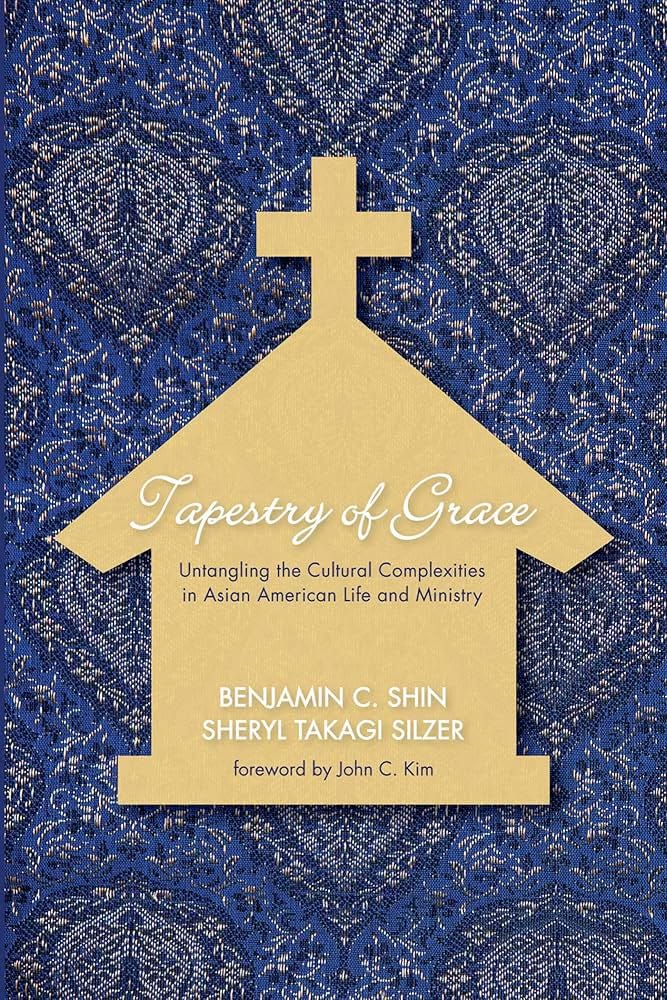
Tapestry of Grace: Unpacking the Cultural Complexities of Asian American Life & Ministry by Benjamin Shin and Sheryl Silzer
This was an eye-opening book and helped me think well about culture and the church. Some of my prolonged reflections are represented in my post titled: Why Culture Changes How We Hear God: A Reflection on “Ministering in Honor-Shame Cultures” & “Addressing the Complexities of Culture and Gender in Counseling”.
Soul Care Pre-Practicum I: Fall 2025
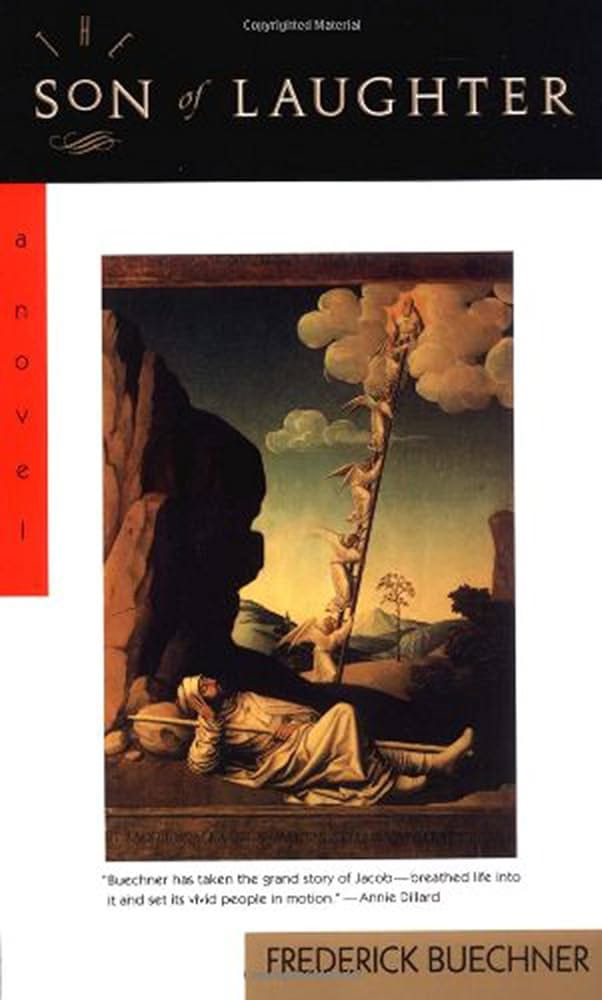
Son of Laughter by Frederick Buechner
This was an absolutely unique read in my entire educational experience. I do not think I could recommend this book to anyone but at the same time, if Buechner did for any other Biblical character what he does here for Jacob, then I would absolutely read it. Buechner presents with no holds barred the story of Jacob in the detailed fashion westerners expect from literature, but which scripture does not provide.
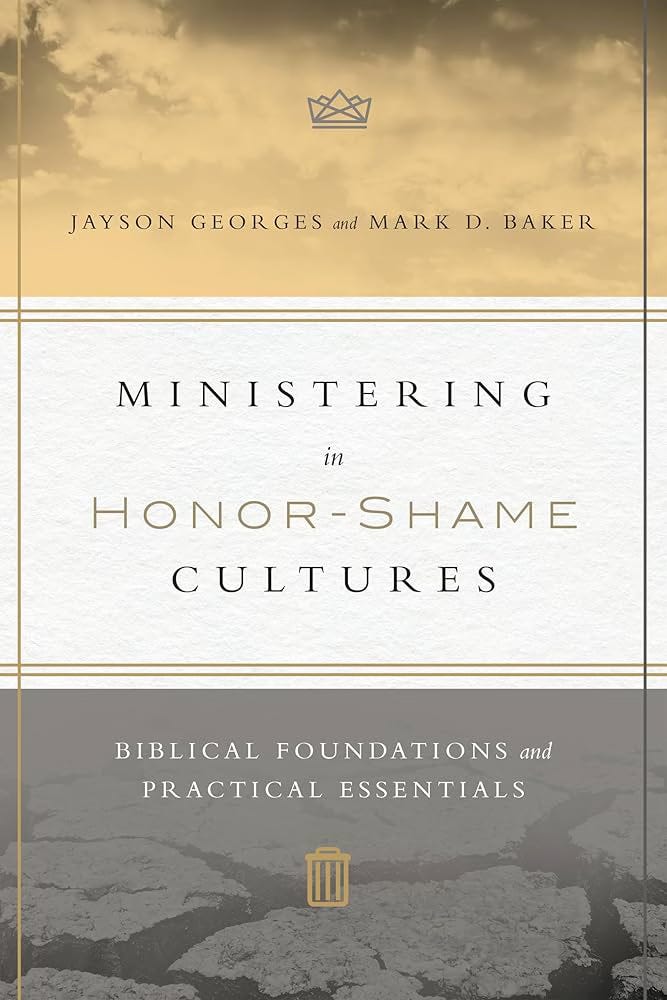
Ministering in Honor-Shame Cultures by Jayson Georges & Mark D. Baker
Throughout their book Georges and Baker offered a robust treatment of Scripture where they revealed the undergirding framework of honor and shame in the biblical world and even how this perspective helps us to understand the gospel. I wrote about this in a post titled: Why Culture Changes How We Hear God: A Reflection on “Ministering in Honor-Shame Cultures” & “Addressing the Complexities of Culture and Gender in Counseling”.
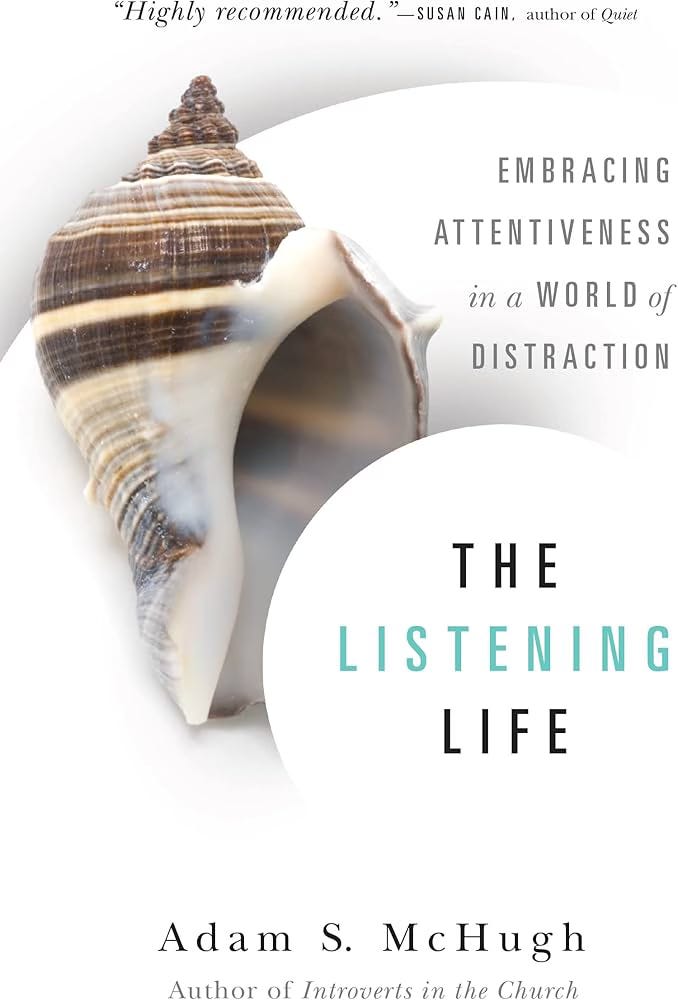
The Listening Life by Adam McHugh
I had been looking forward to reading The Listening Life ever since my friend explained it to me last year. It was challenging, encouraging, and reinvigorating in many ways. The reading expanded my vision of the prevalence of listening in Scripture.
Keeping Silence: Christian Practices for Entering Stillness by C. W. McPherson
Keeping silence in a similar vein emphasized the importance of listening. It was reminiscent for me of “The Ruthless Elimination of Hurry” by John Mark Comer and class lectures about the importance of not jumping to answer or fix people rather than just being with them.
Trustworthy Connections: Interpersonal Issues in Spiritual Direction by Anne Winchell Silver
The use of the case studies throughout this book effectively grounded the material for me. I was struck by how digestible the material was. It felt practical and simple, even as it engaged incredibly complex and nuanced issues.
Introduction to Exegesis: Fall 2025
Textual Criticism of the Bible by Amy Anderson and Wendy Widder
This book was most enlightening as an introduction into the world of textual criticism. The chapters were full of examples and clear principles. It presented the material in a straightforward way that served as a helpful resource for my project.
A Reflection on Academic Reading:
As I look at all of the books I read this semester and think about which ones made the most impact on me, I have a few thoughts. I am regularly met with surprise when people hear that I read all of my textbooks, even if there is only a percentage or completion statement due. Second people are likewise impressed when I say that I listen to all of my textbooks. I work really hard to find my textbooks in audio, PDF, or epub formats to listen to and have a digital copy of them. But as I think about which books most impacted me it is usually the books that required some kind of reflection paper or report. As much as that can be tedious in the moment, I am always grateful after the fact to have worked through my thoughts, put them to paper, and have something to look back on.
Conclusion:
Overall, in 2025 I finished 54 books which feels like quite an accomplishment (not counting the ones I started and put down or started and haven’t finished yet). Writing this out helped me to realize how much these books shaped my year and how much my memories and experiences are tied to what book I was reading at the time. I hope you’ve enjoyed and I would love to hear some books you read in 2025! See you next year!
sounds like a great year!
Man, you read a lot! Haven't gotten through the whole list yet, but good to know Project Hail Mary was that good. Also Piranesi is one of the my favorites of all time. And finally, I'm obsessed with the Sherlock Holmes stories. Something about them just fit my personality perfectly. Couldn't put it down once I started.